Why Small Tips Can Yield Big Results in Baking
In the world of baking, even minor adjustments can significantly enhance your results. Have you ever wondered why some cookies come out perfectly chewy while others are flat as pancakes? Often, it’s the little tweaks and tricks that make the difference. That’s where our collection of 19 small baking tips comes to play.
When you’re measuring flour, for instance, did you know that using a spoon to scoop it directly can pack the flour too tightly? This simple mistake can lead to dry baked goods, as you end up using more flour than intended. Instead, try the spoon-and-level method: spoon the flour into your measuring cup and level it off with a knife for precise measurements. This small change can turn a dense batch of cookies into a fluffy delight.
Another tip revolves around temperature. Room temperature ingredients blend more seamlessly, creating an even batter. So, if you’ve forgotten to take your eggs or butter out ahead of time, warm them in warm water for a quick fix. This simple act can greatly improve the texture of your baked goods.
Baking soda and baking powder are also crucial but often misunderstood ingredients. Did you know that they can lose their potency over time? To ensure they’re still effective, a quick check is to add a bit of vinegar or warm water to them. If they fizz, it’s time to replace them. Fresh leavening agents can be the difference between a chewy brownie and a flat pancake.
Here are a few more tips that can dramatically improve your baking:
- Use parchment paper for easy cake removal.
- Preheat your oven well before baking to ensure even cooking.
- Don’t overcrowd baking sheets to allow for proper air circulation.
Baking is both an art and a science, and understanding the importance of small adjustments can elevate your skills. So next time you’re in the kitchen, remember that little changes can lead to fantastic results. For more detailed baking information, check out resources from renowned organizations like the King Arthur Baking Company and The Kitchn, where you’ll find even more excellent advice on perfecting your baking game.
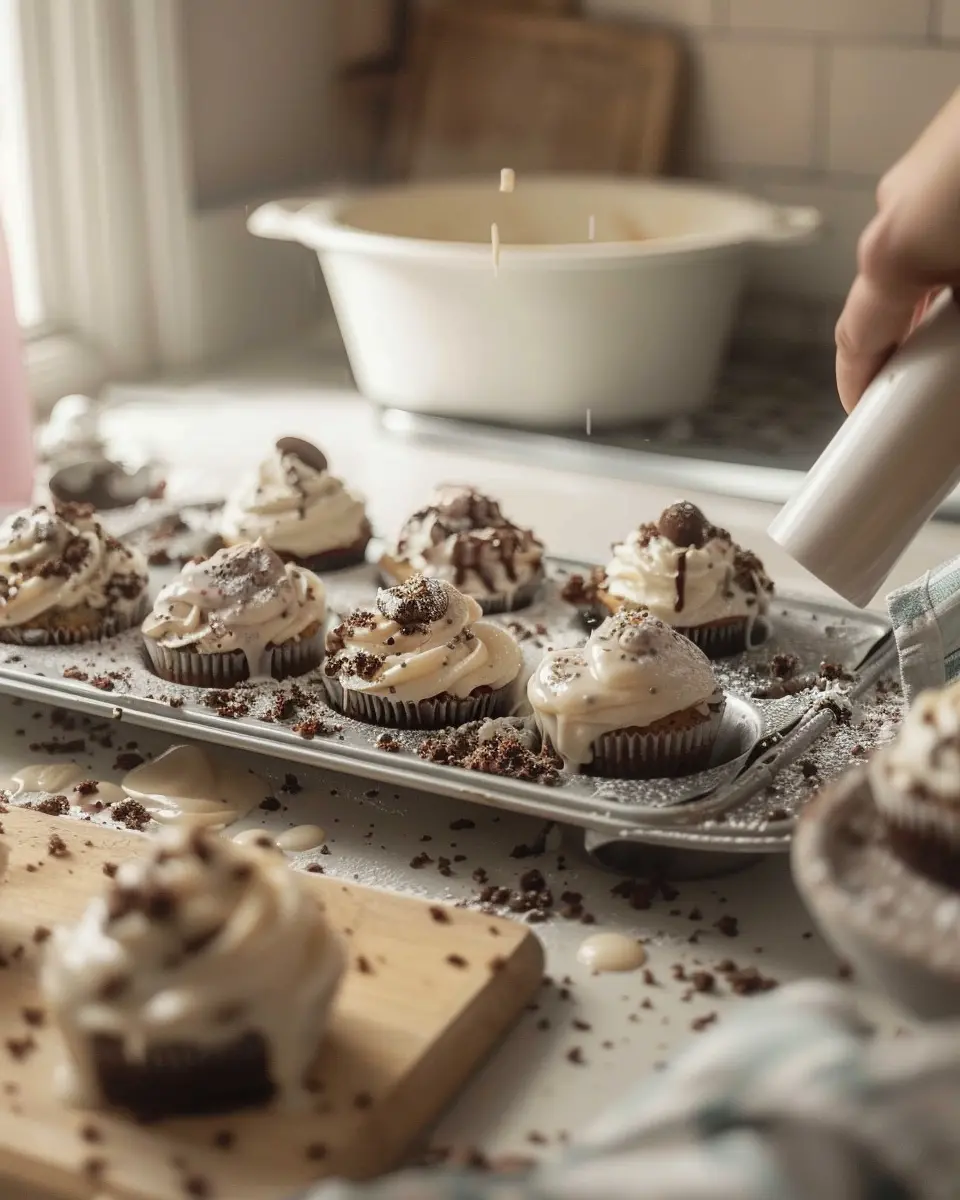
Essential Tools for Baking Success
When diving into the world of baking, the right tools can make all the difference. Let’s explore some essentials that will elevate your skills and ensure delightful outcomes!
Choosing the Right Baking Pans and Cooling Racks
Investing in quality baking pans—like non-stick or glass—can significantly affect your results. For instance, using a heavy-duty, dark-colored pan helps achieve a crustier exterior. Pair your pans with sturdy cooling racks; they allow air circulation and prevent dreaded sogginess.
Measuring: Cups and Spoons vs. Kitchen Scale
While measuring cups and spoons are staples, a kitchen scale is a game-changer. It provides accuracy that can enhance your baking success, especially when following the “19 small baking tips”!. A scale helps ensure precise proportions—especially important with flour, as a mere difference can tip your baking into disaster.
Temperature Tools: Ovens and Dry Goods Thermometers
Maintaining the perfect temperature is crucial. An oven thermometer can confirm your oven is accurately calibrated, preventing mishaps. Additionally, a thermometer for dry goods can help ensure that ingredients are at room temperature, which affects the consistency and rise of your baked goods.
These tools not only streamline your baking process but also improve your overall results. It’s all about making the experience enjoyable and rewarding!
Step-by-Step Guide to Baking with Expert Tips
Baking can be both an art and a science, especially when aiming for that perfect cake or batch of cookies. Whether you’re a weekend warrior in the kitchen or a newbie looking to impress friends at a gathering, these small baking tips can make a big difference in your results. Let’s dive into these expert tips that will elevate your baking game!
Prepare Your Baking Pan Before Mixing Ingredients
Before you even start mixing your ingredients, it’s crucial to prepare your baking pan. This step ensures that your baked goods come out flawlessly. Here’s how to do it:
-
Grease the pan: Use butter, shortening, or a cooking spray to coat the surface. Don’t skimp on this! Uneven greasing can lead to parts of your cake sticking and tearing.
-
Flour it: After greasing, sprinkle flour over the surface and tap the pan to distribute it evenly, shaking off any excess. This prevents sticking, making for a clean release.
This seemingly small step is one of the 19 small baking tips that can save you a heartache later on—trust us!
Chill Your Mixing Bowl for Better Whipped Cream
Whipping up some cream for your desserts? Here’s a pro tip: chill your mixing bowl beforehand. A cold bowl helps in maintaining the temperature of the cream, allowing for better volume and texture.
- Easy Chill: Just pop your mixing bowl and beaters in the fridge or freezer for about 10–15 minutes before you start. The colder the bowl, the easier it is to whip air into the cream.
This will not only give you fluffier whipped cream but also make your desserts look incredibly professional.
Layer Cakes Made Easy with Upside-Down Flipping
Layered cakes are always a hit. Here’s a trick for those perfectly level layers: flip the cake. After baking, let it cool for about 10 minutes and then carefully flip it upside down onto a cooling rack.
- Why this works: This technique flattens the top, allowing for even layers and precise frosting. You’ll be amazed at how much easier it is to stack and frost when each layer is evenly shaped.
This method simplifies the decorating process, making your cakes not just taste great but look phenomenal too.
Secure Your Cake with Frosting for Neat Decorating
When it comes to decorating, a solid base is critical. To achieve beautifully frosted cakes, secure your layers with a thin layer of frosting known as a “crumb coat.”
- Applying the Crumb Coat: Spread a thin layer of frosting over the entire cake. This initial coat will catch any crumbs, preventing them from ruining your final look. Chill for about 30 minutes after this step to set the frosting.
Once your crumb coat is ready, you can frost as usual, resulting in a clean and polished finish.
Flavor Enhancement: The Magic of Espresso Powder
Incorporating espresso powder into your dessert recipes is a baker’s secret weapon. Even in sweet recipes, espresso can enhance and deepen flavors without making it taste like coffee.
- How to Use It: For cakes or cookies, mix a tablespoon of espresso powder with your dry ingredients. Just a hint of it can elevate chocolate or vanilla flavors remarkably.
This little trick is part of the 19 small baking tips that most bakers overlook but can yield astonishing results.
Let Cookie Dough Ripen for Maximum Flavor
Did you know that letting your cookie dough rest can significantly impact the final taste? Allowing your dough to ripen overnight in the fridge can develop richer flavors.
- Best Practice: Prepare your cookie dough and then refrigerate it for at least 24 hours. The resting time allows flavors to meld together beautifully.
This time-consuming method is worth the wait. You’ll be rewarded with cookies that will have your friends asking for your secret ingredient!
By following these expert tips, you’ll not only improve your baking skills but also enjoy every baking session a bit more. Happy baking!
For more baking tips, check out BBC Good Food or Joy of Baking for inspiration.
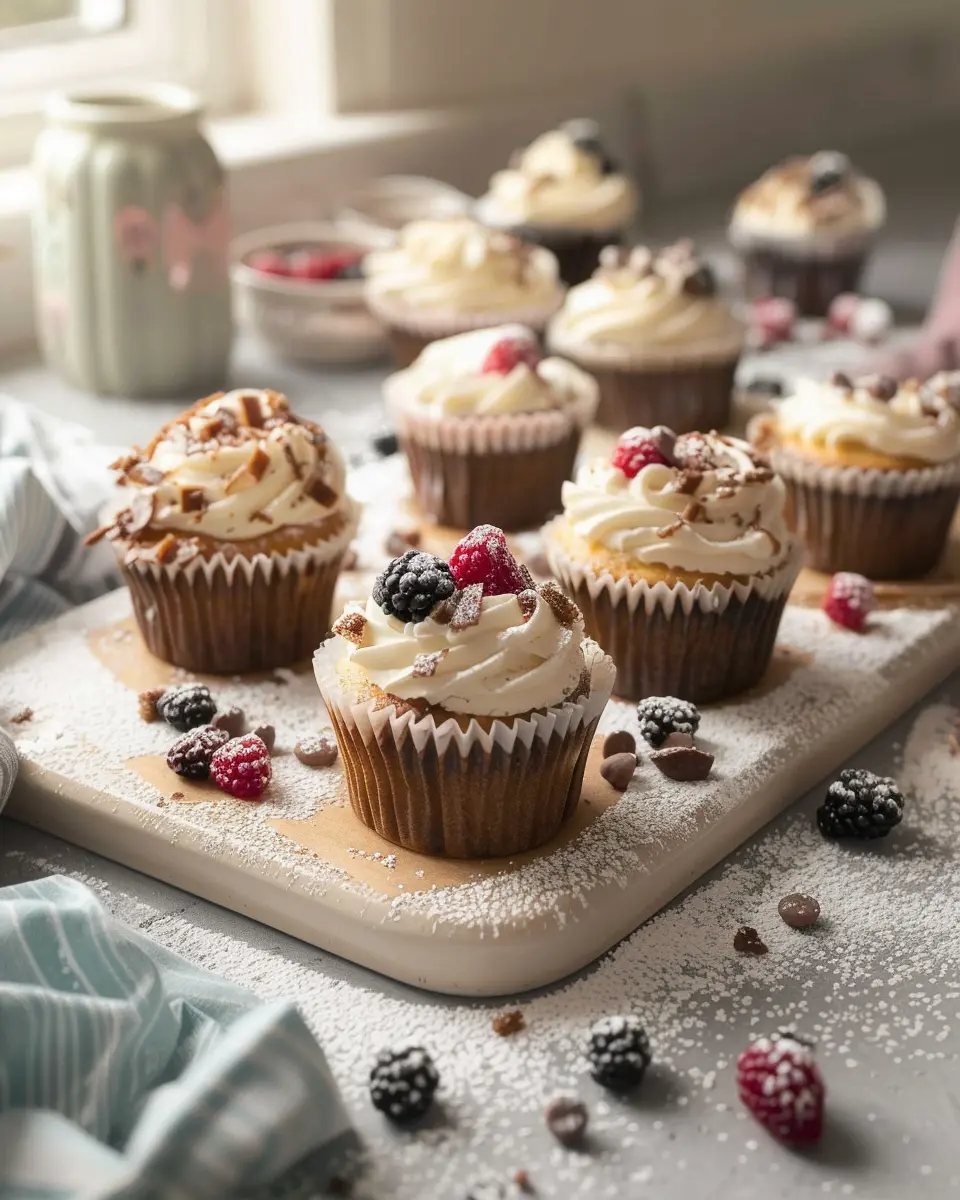
Variations in Baking Techniques
Trying Different Egg Types for Various Recipes
When it comes to baking, eggs are an essential ingredient that can dramatically influence the outcome of your dish. Did you know that using different types of eggs can change your baking game? For example, using organic free-range eggs can enhance the flavor of your baked goods, while egg whites can lighten cakes and create fabulous soufflés. Curious about how eggs impact textures? This article on American Egg Board dives deeper into the culinary magic of eggs.
Sifting Dry Ingredients for a Lighter Texture
If you’ve ever wondered why some cakes rise beautifully while others flop, the secret might lie in your dry ingredient preparation. Sifting does more than just remove lumps; it aerates your flour, resulting in a lighter, fluffier texture. So before you combine everything, take an extra minute to sift flour, cocoa powder, or powdered sugar. You’ll be amazed at how this simple step, a top tip among the 19 small baking tips, can elevate your baking results.
Experimenting with Altitudes: High vs. Low Baking Adjustments
Baking at high altitudes presents unique challenges. If you live in a mountainous area, your baked goods may not rise as you expect due to lower air pressure. Adapting your recipes by reducing sugar, adding extra liquid, or adjusting the oven temperature can yield better results. Conversely, if you’re at sea level, make sure to follow classic recipes without skimping on these adjustments. Understanding these nuances can open up a world of delicious possibilities! For a comprehensive guide on altitude adjustments, check out King Arthur Baking.
Baking is both a science and an art, so don’t shy away from experimenting with these techniques!
Tips and Tricks to Ensure Perfect Results
The Importance of Room Temperature Ingredients
Using room temperature ingredients can be a game-changer in your baking journey. When butter and eggs are at room temperature, they emulsify better, leading to fluffier cakes and richer flavors. Have you ever wondered why some cakes rise beautifully while others don’t? It often boils down to how well the ingredients blend together. You can check out this detailed guide on ingredient temperatures to enhance your baking skills!
Investing in Kitchen Scales
Precision is key in baking; that’s where investing in kitchen scales can make a real difference. Using accurate measurements ensures that your recipes turn out just as they should. Did you know that a cup of flour can weigh differently based on how it’s scooped? By weighing ingredients, you minimize guesswork and can replicate those delicious results every time. For a comprehensive overview on why accuracy matters, consider reading this detailed article.
By incorporating these 19 small baking tips, you’ll set yourself up for success and delicious outcomes!
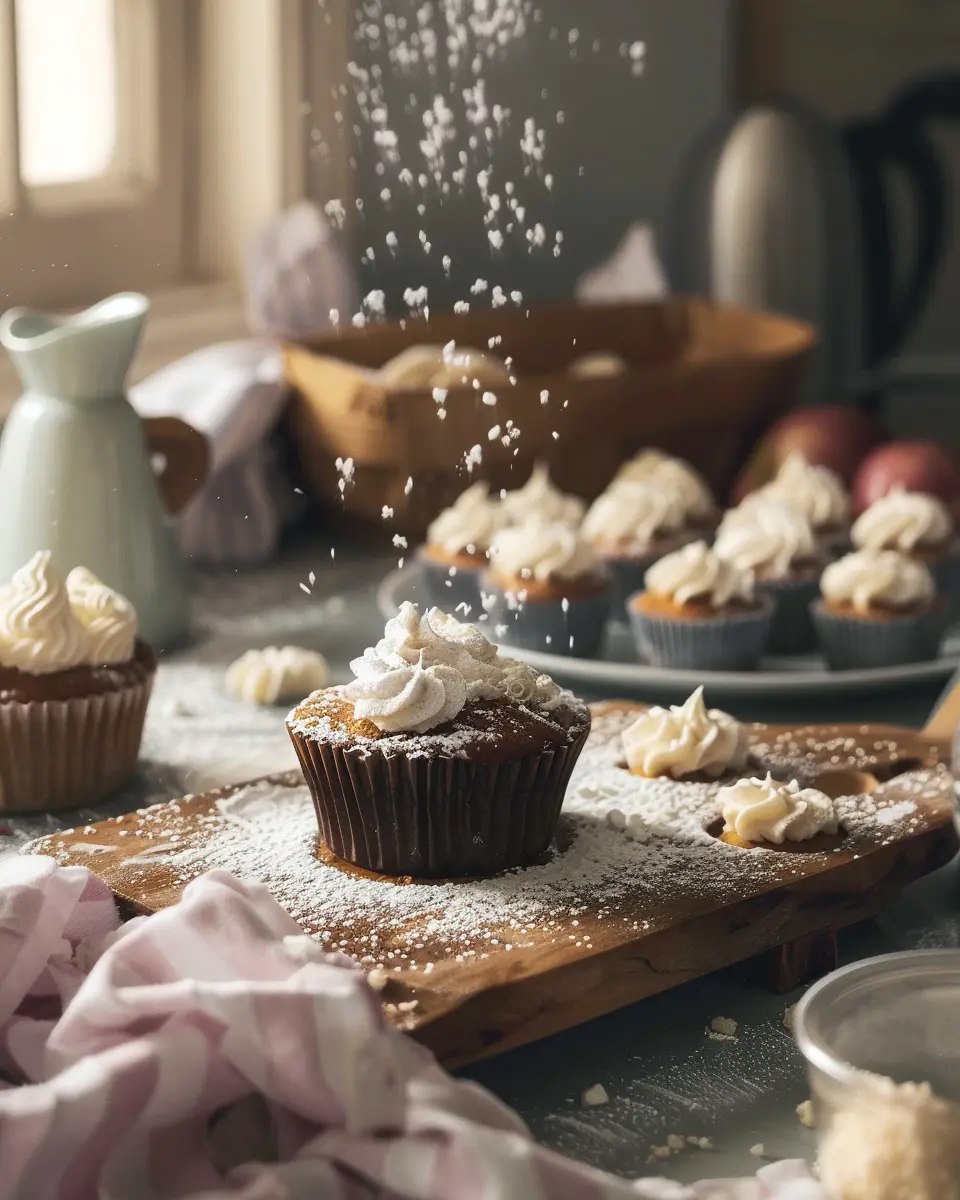
Serving Suggestions for Your Baked Goods
When you’ve put in the effort to whip up delicious baked goods, how you present them can elevate the entire experience. Here are a couple of ideas to get you started!
Creative Ways to Display Your Treats
Whether it’s cookies, muffins, or brownies, creative displays can turn an ordinary treat into a showstopper. Try using:
- Tiered stands: They create height and draw the eye. Mix different types of baked goods for a varied visual appeal.
- Clear jars: Mason jars filled with cookies or mini tarts not only look great but also entice guests to take a closer look.
- Themed platters: Showcase seasonal ingredients using wooden or ceramic platters that resonate with the aesthetic of the occasion.
Pairing Baked Goods with Homemade Beverages
Did you know that pairing your baked treats with homemade beverages can enhance the flavor profile? Consider serving:
- Coffee: A rich, dark roast beautifully complements chocolatey baked goods like brownies or cookies, creating a delightful contrast.
- Tea: Flavored teas, like Earl Grey, can enhance the subtle spices in gingerbread or scones.
For tips on brewing the perfect coffee or tea, check out this comprehensive guide on home brewing methods.
With these serving suggestions, you’ll not only impress your friends but also enjoy your delightful creations to the fullest!
Time Breakdown for Baked Goods
Understanding the time breakdown for your baked goods can make a huge difference in your kitchen efficiency.
Preparation Time vs. Baking Time
Preparation time is where you gather and mix your ingredients, while baking time is spent in the oven. The two may seem straightforward, but don’t forget about that crucial cooling period. That’s when the magic truly happens!
Total Time Needed for Common Baking Recipes
- Cookies: 10-15 minutes prep, 10-12 minutes baking, total about 30 minutes.
- Cakes: 15-20 minutes prep, 25-35 minutes baking, roughly 1 hour total.
- Breads: 20 minutes prep, 30-40 minutes baking, nearly 1.5 hours total.
Remember, having a solid grasp of these times can help you plan your baking projects better, allowing you to whip up delicious treats efficiently. If you’re looking for more pro tips, check out some of the 19 small baking tips that can elevate your baking skills!
Nutritional Facts for Your Baked Treats
Caloric Values and Potential Allergens
When indulging in baked treats, it’s essential to be aware of caloric values and potential allergens. Depending on your ingredients, a standard cookie can range from 100 to 300 calories. Common allergens like gluten, dairy, and nuts may lurk in your recipes, so always check labels or inform guests when serving.
For added peace of mind, consider checking resources like the FDA for allergen guidelines or using tailored gluten-free flour options to accommodate various diets.
How to Lighten Baked Goods Without Losing Taste
Have you ever felt guilty after a delicious slice of cake? Don’t worry! You can lighten your baked goods without sacrificing flavor. Opt for alternatives like applesauce or Greek yogurt in place of oils or fats. These substitutions can reduce calories and add moisture. Another one of the 19 small baking tips in our arsenal is using a mix of all-purpose and whole wheat flours; it adds fiber while still delivering a satisfying texture.
Explore more about substitutes on Healthline for recipes that keep your taste buds dancing while being kind to your waistline. By being mindful of what goes in, you can enjoy every bite without regret!
FAQs from Fellow Food Enthusiasts
Baking can sometimes feel overwhelming, especially with so much information floating around. Here are some FAQs that might help clarify your baking journey!
What’s the best way to keep baked goods fresh?
Keeping your baked goodies fresh can be a challenge. Here are some handy tips:
- Cool Completely: Always let your treats cool down before storing. This prevents condensation, which can make them soggy.
- Choose the Right Storage: Airtight containers are your best friends! For soft baked goods, try using a cake dome or a zip-top bag. For cookies or brownies, a tin can help maintain their texture.
- Freezing Works Wonders: If you’re not planning to eat your creations right away, consider freezing them. Most baked items freeze well—just wrap tightly in plastic wrap and foil to avoid freezer burn. Need tips on how to freeze like a pro? Check out sources like The Kitchn.
Can baking tips be applied to savory dishes too?
Absolutely! Many of the 19 small baking tips we discuss can enhance savory cooking, too. For instance, measuring your ingredients accurately and understanding the right cooking temperatures can make savory dishes just as refined as your favorite baked goods. Whether you’re baking a savory pie or roasting veggies, the principles of balance, timing, and technique are universal.
How do you know when a cake is done baking?
It’s one of the stressors of baking, right? Here are some reliable methods:
- Toothpick Test: Insert a toothpick in the center; if it comes out clean or with a few crumbs, you’re good to go.
- Touch Test: Gently press the center of the cake; it should spring back.
- Temperature Check: Using a kitchen thermometer can be a game-changer. Most cakes should reach around 200-210°F for optimal doneness.
With these easy techniques, you can take your baking skills to the next level! If you’re diving deeper into baking or cooking, explore more tips on Serious Eats. Happy baking!
Conclusion on Making Baking Easy and Enjoyable
Embrace the joy of baking with these small tips!
Baking should be a delightful experience, not a daunting task. By implementing these 19 small baking tips, you can simplify the process and truly enjoy every moment in the kitchen. Whether you’re a beginner or a seasoned pro, little adjustments like measuring ingredients accurately, using parchment paper, or waiting for butter to soften can transform your baking game. Remember, the goal is to savor the journey as much as the delicious treats you create. For more expert insights, check out resources like King Arthur Baking or Food52. Happy baking!
Print19 Small Baking Tips for Effortless Homemade Delights

Discover 19 essential baking tips that will transform your home baking experience, making it easier and more enjoyable.
- Category: Baking
- Method: Baking
- Cuisine: American
Ingredients
Instructions
Notes
- These tips apply to various types of baking, from cookies to cakes.
- Keep your workspace organized for better efficiency.