Introduction to 12 Baking Secrets
Baking is more than just a cooking method; it’s a science and an art form that requires a blend of technique, timing, and a sprinkle of creativity. Knowing baking secrets can make all the difference when it comes to whipping up a cake that’s not just good, but truly exceptional. Whether you’re a beginner or have dabbled in baking before, uncovering the magic behind the 12 baking secrets will elevate your game and help you create confections that impress.
Why knowing baking secrets is essential?
The world of baking can sometimes feel daunting. With so many factors at play—from ingredient temperatures to mixing techniques—it’s easy to see why many home bakers miss the mark. Did you know that a mere one degree difference in oven temperature can lead to varying results? According to experts at the King Arthur Baking Company, understanding these fundamental baking principles is crucial. This knowledge can save you time, money, and the heartbreak of a fallen cake. You want each layer to rise perfectly and maintain the right moisture; this is where the secrets come into play.
How these secrets can elevate your home baking
Imagine pulling a beautifully risen cake from the oven, its surface smooth and golden. These 12 baking secrets can turn that dream into a reality by enhancing your skills and ensuring consistent results. For instance, did you know that what seems like a small detail—like properly measuring flour—can dramatically impact texture? Implementing proper measuring techniques can transform your cakes from dense to light and fluffy.
Moreover, these baking secrets can help you understand how to:
- Make flavors shine through, elevating the overall taste of any cake.
- Adjust baking times and temperatures for different recipes and altitudes.
- Select the right pan materials for perfect browning and even cooking.
The beauty of these baking secrets lies in their simplicity; they are straightforward tips you can easily integrate into your routine. You don’t need to be a professional pastry chef to apply these habits. Instead, by learning and utilizing these tricks, you’ll find cake baking becomes not only more satisfying but also a more enjoyable experience.
Ready to dive into the world of cake perfection? Let’s unlock these baking secrets together!
Essential Ingredients for Perfect Cakes
High-quality ingredients for baking
When it comes to baking a perfect cake, the quality of your ingredients can make or break the final result. Opt for fresh, organic flour, sugars, and eggs whenever possible. For instance, using pure vanilla extract instead of imitation can elevate the flavor significantly. Don’t skimp on your butter; a high-fat option contributes to that rich, moist texture we all love.
Check out King Arthur Baking for some of the best options available. They have a fantastic selection that could qualify you as a baking pro overnight!
The importance of room temperature ingredients
Another one of the 12 baking secrets is ensuring your ingredients are at room temperature. This simple step helps create a smoother batter, resulting in a more even bake. Cold eggs or butter can lead to lumps and inconsistent texture. Allowing your ingredients to warm up naturally for about 30 minutes before mixing will lead to a lovely, integrated batter that rises beautifully in the oven.
Consider this: it takes just a bit of planning, but the payoff in texture and taste is absolutely worth it!
Step-by-Step Preparation for Baking Cakes
Baking a cake can feel intimidating, but with the right preparation, it can also be one of the most rewarding experiences in the kitchen. Whether it’s a birthday celebration or just a cozy weekend treat, a perfectly baked cake can bring joy to any occasion. Let’s embark on this delightful journey with these essential steps to ensure your baking adventure is successful!
Gather your ingredients and tools
Before you even think about turning on the oven, it’s crucial to gather all your ingredients and tools. This step not only saves you from those frantic last-minute searches but also sets the stage for a smooth baking experience.
- Ingredients: Make sure you have everything on hand, from flour and sugar to eggs and baking powder. It’s also wise to double-check your recipe so you can align your ingredients with the measurements required.
- Tools: You’ll need some essential tools, including mixing bowls, measuring cups and spoons, a whisk or electric mixer, and, of course, your cake pans. The right tools can make a significant difference in the final product.
For more details on essential baking tools, check out this baking essentials guide.
Measure ingredients accurately
The second golden rule in our 12 baking secrets: accurate measurements are key. Baking is as much a science as it is an art. Here’s how to make sure you’re measuring right:
- Use the right tools: Invest in a set of dry measuring cups for substances like flour and sugar, and liquid measuring cups for your liquids. A kitchen scale can also be a game changer for achieving precision.
- Scoop with care: When measuring flour, avoid scooping directly with your measuring cup. Instead, spoon the flour into the cup and level it off for accuracy.
A single misstep at this stage can lead to a cake that’s too dense or won’t rise well. Think about a time you’ve had cake that didn’t quite hit the mark—often, it all boils down to measurement.
Mix ingredients in the right order
The order in which you combine your ingredients is imperative to achieving that fluffy, moist cake you’re aiming for. Here’s a simple guideline:
- Creaming: Start by creaming your butter and sugar together until light and fluffy. This step incorporates air into your batter and is crucial for a light cake.
- Add eggs: Mix in your eggs one at a time, ensuring they’re fully incorporated before adding the next.
- Alternate dry and wet: When adding dry ingredients (like flour and baking powder), alternate them with your liquids (such as milk or vanilla extract) to maintain a smooth batter without overmixing.
Thinking about the chemistry of baking? Refer to this article on the science of baking for a deeper dive.
Understanding oven temperature settings
Knowing your oven is vital for a successful bake. Preheat your oven well in advance—typically at least 15-20 minutes before you start baking. Here are a few tips:
- Check accuracy: An oven thermometer can be a lifesaver. Many home ovens are off by as much as 25 degrees! Knowing the true temperature can help ensure your cake bakes evenly.
- Adjust for special settings: Most ovens have a convection feature that circulates hot air. If you’re using it, lower your baking temperature by about 25 degrees to avoid over-baking.
Properly prepare the cake pans
The last step before you pour in that beautifully mixed batter is prepping your cake pans. Proper preparation is essential for ensuring your cakes release smoothly and evenly.
- Grease and flour: Use butter or baking spray to grease your pans, and then dust them with flour. For more intricate designs, you might consider lining the bottoms with parchment paper.
- No skipping: Never skip this step. A well-prepped pan can save your cake from sticking and help it retain its shape during removal.
With these steps in mind, you’re not just preparing to bake; you’re setting yourself up for success in the kitchen. Happy baking!
Variations of Baking Techniques
Experimenting with Flavors and Textures
When it comes to baking, the world is your oyster! For those eager to elevate their cake game, experimenting with flavors can breathe new life into tried-and-true recipes. Think outside the traditional box: consider adding spices like cinnamon or nutmeg for warmth, or try zesting citrus fruits like lemons and oranges for a refreshing twist.
Moreover, texture plays a significant role. Incorporating ingredients like crushed nuts, fruits, or even chocolate chips can create delightful surprises in every bite. If you want to dive deeper into flavor combinations, check out resources like Serious Eats for inspiration that helps you refine your cake creations.
Different Cake Recipes to Try
Dare to diversify your baking repertoire! There are numerous cake recipes that serve as fantastic canvases for your culinary creativity:
- Basic Vanilla Cake: A classic choice that can be dressed up with various frostings or fillings.
- Chocolate Lava Cake: Perfect for those who crave a gooey center that melts in your mouth.
- Carrot Cake: Bursting with flavors, this one is often enhanced with nuts and spices.
- Red Velvet Cake: Known for its striking color, it pairs beautifully with cream cheese frosting.
Each of these recipes can benefit from the 12 baking secrets that will make your cakes not just good, but extraordinary. With a little bit of know-how and a dash of passion, you’ll be baking cakes that impress your friends and family alike. So, what are you waiting for? Dive in and let your imagination run wild!
Baking Tips and Notes for Perfect Cakes
Common Pitfalls to Avoid
Baking a cake seems simple, but small mistakes can lead to big disappointments. One common pitfall is overmixing your batter, which can make your cake dense instead of light and fluffy. Always mix until just combined! Another issue arises when using ingredients that are not at room temperature. Cold eggs or butter can disrupt the texture, so be sure to let them warm up before mixing.
Also, check your oven’s temperature accuracy! An oven thermometer can be a game changer, ensuring your cake bakes evenly. For more insights, consider this trusted guide from King Arthur Baking.
Best Practices for Frosting and Decorating
When it comes to frosting, let your cake cool completely. If you frost a warm cake, you risk melting your frosting. Use a crumb coat to seal in any loose crumbs before the final layer of frosting. It’s like giving your cake a protective hug!
Remember, decorating doesn’t have to be perfect! Embrace your creativity—some of the best cakes have an imperfect charm. If you’re looking for inspiration, check out this decorating resource from Wilton. With these 12 baking secrets, you’re on your way to creating cake masterpieces!
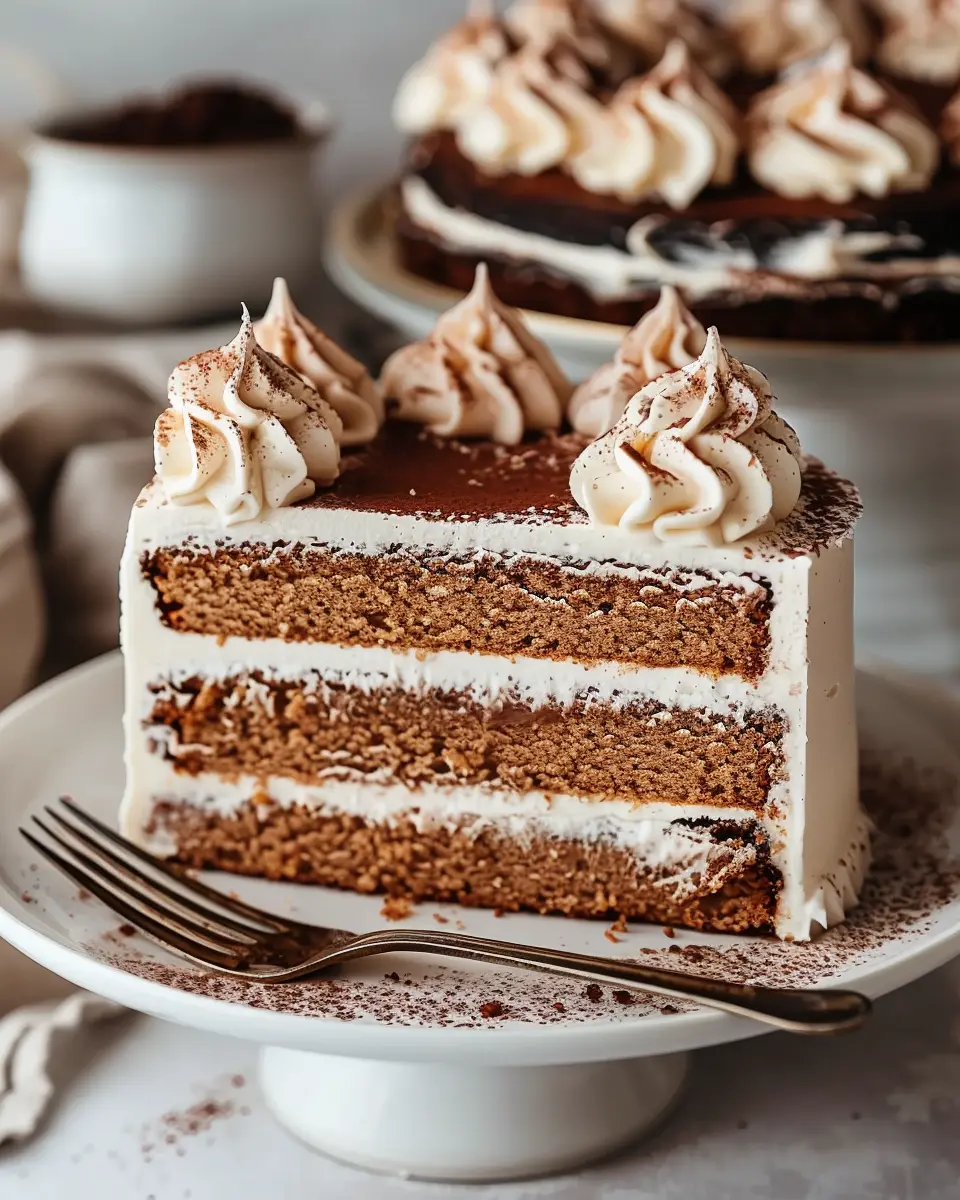
Serving Suggestions for Your Cakes
Creating the perfect cake is only half the fun; it’s all about how you present and serve it! Here are some engaging ideas to elevate your dessert experience.
Creative Ways to Present Your Cake
First impressions matter, so how you present your cake can make all the difference. Consider these options:
- Layer It Up: Stack different cake flavors or styles for a stunning layered effect. Picture a chocolate cake topped with vanilla frosting and adorned with sprinkles.
- Cake Stands & Platters: Use elegant cake stands to add a touch of sophistication. A rustic wooden platter can also give a charming farmhouse vibe.
Want more inspiration? Check out this resource on presentation techniques here.
Pairing Suggestions for Enhanced Flavor
Elevating your cake with complementary tastes can turn a simple dessert into a gourmet experience. Consider:
- Fresh Berries and Cream: Topping your cake with seasonal berries not only adds flavor but also a pop of color.
- Flavored Syrups: A drizzle of lemon or raspberry syrup can enhance the cake’s flavor profile.
By incorporating these pairing suggestions, you can bring out your cake’s best qualities. Remember, these tips are just a few of the 12 baking secrets that can make your cakes unforgettable!
Time Breakdown for Baking Cakes
When you’re ready to create the perfect cake, understanding the time involved can make all the difference. Here’s a quick breakdown to help you plan your baking adventure.
Preparation Time
Getting everything ready usually takes about 15-20 minutes. This includes gathering your ingredients, measuring, and preheating the oven. It’s the perfect time to pour yourself a cup of coffee or tea!
Baking Time
Most cakes will need 25-35 minutes in the oven, depending on the recipe and your oven’s quirks. Keep an eye on things!
Cooling Time
After baking, don’t rush it; let your cake cool for 30-60 minutes before frosting. A cooled cake makes all the difference in texture and flavor.
Total Time
So, when you add it all up, you’re looking at approximately 1.5 to 2 hours from start to finish. It’s a small investment for a delicious reward! For more insights, check out these baking tips that highlight the 12 baking secrets for achieving cake perfection.
With this breakdown in mind, you’re ready to whip up something truly special!
Nutritional Facts for Homemade Cakes
When whipping up a homemade cake, understanding the nutritional facts can make a big difference in how you enjoy your slice.
Calories per serving
On average, a slice of homemade cake contains around 250-350 calories, depending on ingredients and portion size. It’s always a good idea to check your specific recipe for precise calorie counts.
Key nutrients
Homemade cakes can provide a variety of nutrients:
- Carbohydrates: Energy sources primarily from flour and sugar.
- Fats: Essential for moisture and flavor, often from butter or oils.
- Proteins: Found in eggs and dairy, which help structure your cake.
- Vitamins: Ingredients like cocoa, fruits, or nuts can add essential vitamins.
By incorporating healthier ingredients or reducing sugar, you can boost the nutritional profile of your dessert. Discover more about baking secrets, including how ingredient quality influences nutrition, by checking out expert nutrition sites like the USDA Food Composition Database.
Do you have any favorite swaps for making your cakes more nutritious? Share your experiences and tips!
FAQs About Baking Secrets
Baking a perfect cake can seem daunting, but having the right information can make all the difference! Here are some frequently asked questions to help you navigate your baking journey with confidence.
How is the best way to test if a cake is done?
Testing your cake for doneness is crucial. A reliable method is the toothpick test: insert a toothpick into the center of the cake; if it comes out clean or with a few crumbs clinging to it, your cake is ready. You can also gently press the center; if it springs back, that’s another good sign! If you’re looking for detailed insights into doneness and baking temperatures, check out King Arthur Baking’s guide.
How can I ensure my cake doesn’t stick to the pan?
Nothing is more frustrating than a cake that clings to the pan. To prevent this, try these simple tricks:
- Grease your pan: Use butter or oil, and consider dusting with flour or cocoa powder, depending on your cake’s flavor.
- Parchment paper: Line the bottom of your pan with parchment for an effortless release.
- Cool properly: Allow the cake to cool in the pan for about 10 minutes before transferring it to a wire rack.
Can I substitute ingredients in cake recipes?
Absolutely! Many ingredients can be replaced depending on dietary needs or availability. For example, Greek yogurt can replace sour cream, and unsweetened applesauce works as a substitute for oil in many recipes. Just keep in mind that ingredient swaps can slightly alter the texture and flavor of your cake. If you’re curious about more specific swaps, Food Network’s substitution chart is a great resource!
With these baking secrets in your toolkit, you’ll be well on your way to crafting delicious cakes that impress your friends and family. Happy baking!
Conclusion on 12 Baking Secrets
As we wrap up our journey through these 12 baking secrets, it’s clear how essential they are to achieving that perfect cake. Whether it’s understanding ingredient temperatures or mastering different mixing techniques, every tip has a purpose in elevating your baking game.
Don’t hesitate to experiment! Baking is a delightful blend of science and art, so take these insights, get creative, and make them your own. Remember, even a small tweak can lead to a fantastic new flavor. Dive into the world of baking with confidence and joy—your perfect cake awaits! For more inspiration, check out resources like King Arthur Baking for additional tips and techniques.
Print12 Baking Secrets for a Perfect Cake Every Home Chef Needs
Unlock the secrets to perfect cakes with these 12 baking tips every home chef should know.
- Prep Time: 20 minutes
- Cook Time: 35 minutes
- Total Time: 55 minutes
- Yield: 1 cake
- Category: Desserts
- Method: Baking
- Cuisine: American
- Diet: Vegetarian
Ingredients
- 2 cups all-purpose flour
- 1 cup granulated sugar
- 1 cup unsalted butter, softened
- 4 large eggs
- 1 tablespoon baking powder
- 1 teaspoon vanilla extract
- 1/2 teaspoon salt
- 1 cup milk
Instructions
- Preheat your oven to 350°F (175°C).
- In a large bowl, cream together butter and sugar until light and fluffy.
- Add eggs one at a time, mixing well after each addition.
- Stir in the vanilla extract.
- In a separate bowl, mix the flour, baking powder, and salt.
- Gradually add this dry mix to the wet mixture, alternating with milk.
- Pour the batter into a greased cake pan.
- Bake in the preheated oven for 30-35 minutes or until a toothpick comes out clean.
- Allow to cool before serving.
Notes
- Make sure all ingredients are at room temperature for best results.
- Use quality ingredients for the best flavor.
Nutrition
- Serving Size: 8 servings
- Calories: 250
- Sugar: 20g
- Sodium: 200mg
- Fat: 12g
- Saturated Fat: 7g
- Unsaturated Fat: 3g
- Trans Fat: 0g
- Carbohydrates: 35g
- Fiber: 1g
- Protein: 3g
- Cholesterol: 80mg