Introduction to Baking Perfect Cakes
Baking a cake is more than just mixing flour, sugar, and eggs; it’s a delightful experience that results in a little slice of happiness. When you take the time to create a cake from scratch, you’re not just following a recipe—you’re crafting a memory. Whether it’s a birthday celebration or simply a Tuesday afternoon, homemade cakes have a way of bringing people together. According to the American Baking Association, baking at home can elevate your mood and help reduce stress, making it a rewarding endeavor for both novice and seasoned bakers.
Why do homemade cakes seem to hold a special place in our hearts? Perhaps it’s the personalized touch, or maybe it’s the ability to tweak flavors to match your unique taste. Store-bought cakes often miss that heartfelt essence, leaving you longing for the rich warmth found in cakes made at home. Plus, you have full control over the ingredients, which means you can create healthier options without sacrificing taste. Here’s where you can discover the benefits of baking for your mental health and truly enjoy the art of cake-making.
Now that you understand the magic behind homemade cakes, you’re probably eager to dive into the tips for baking cakes that will help you achieve that fluffy, moist perfection. From selecting high-quality ingredients to mastering the right techniques, these tips will set you up for success.
Here’s a sneak peek of some invaluable cake-baking tips you can implement:
-
Use Room Temperature Ingredients: Let your eggs and butter sit out for about 30 minutes before you start baking. This helps create a uniform batter.
-
Invest in Quality Pans: Non-stick pans can make or break your cake. Choosing the right bakeware can lead to even cooking and easy release.
-
Don’t Overmix: Ensure the batter is just combined; overmixing can lead to dense, tough cakes.
By embracing these simple yet effective tips, you’ll find that baking cakes is not only achievable but also incredibly rewarding. So roll up your sleeves, preheat that oven, and get ready to create a masterpiece that everyone will remember!
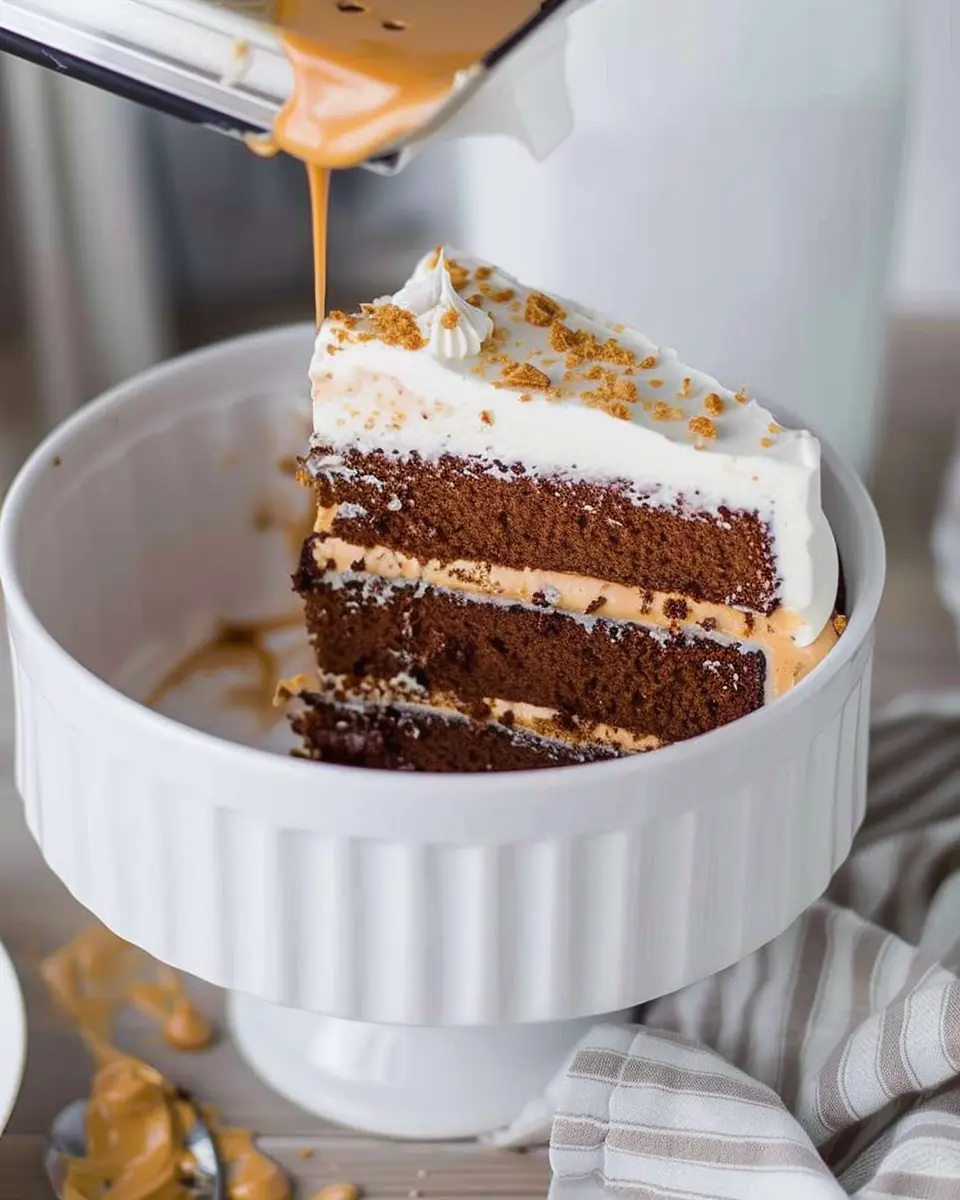
Essential Ingredients for Baking Cakes
Baking a delicious cake starts with gathering the right ingredients. Here are the essentials you should never overlook:
Key Ingredients You Shouldn’t Skip
To create that perfect cake, you need a solid foundation of key ingredients:
- Flour: All-purpose flour is commonly used, but for an extra fluffiness, consider cake flour.
- Sugar: Granulated sugar adds sweetness and moisture; brown sugar can enhance flavor and texture.
- Eggs: Essential for structure and moisture, eggs help bind everything together.
- Butter or Oil: Butter adds rich flavor, while oil contributes to a moist crumb.
- Baking Powder and Baking Soda: These leavening agents are crucial for that airy rise.
Optional Enhancements for Flavor
For those aiming to elevate their cakes, tips for baking cakes suggest adding:
- Vanilla Extract: A simple way to deepen the flavor profile.
- Citrus Zest: A touch of lemon or orange zest can add a refreshing twist.
- Spices: Cinnamon or nutmeg can bring warmth to your cake.
Experiment with these ingredients and remember, the right mix can make all the difference in your baking success. For more detailed ingredient insights, check out this resource on baking basics. Happy baking!
Step-by-Step Preparation for Baking Cakes
Baking a cake can feel like a daunting task, especially if you’re just starting out. But with a bit of practice and the right guidance, you’ll be whipping up delicious cakes in no time. Ready to dive in? Let’s break down the essential steps for baking cakes perfectly every time.
Gather Your Baking Tools
Before you do anything else, it’s crucial to gather all the necessary tools. Here’s a checklist to make sure you have everything on hand:
- Mixing bowls: Different sizes are important for various steps.
- Measuring cups and spoons: Precision is key in baking.
- Electric mixer or whisk: For mixing the batter efficiently.
- Rubber spatula: Perfect for scraping down the sides of your bowl.
- Cake pans: Typically, 9-inch round pans work well for most recipes.
- Parchment paper: Helps prevent sticking.
- Cooling rack: Essential for cooling your cake properly.
Having everything ready to go will streamline your process and help you avoid any last-minute scrambles, which can be a recipe for disaster.
Prepping Your Ingredients
Your ingredients should be prepared before you dive into the mixing stage. This ensures that you’re not scrambling to find that elusive baking soda just when you need it. Here are some pro tips for baking cakes:
- Read through your recipe: Make sure you understand the steps and order of operations.
- Take out all your cold ingredients: Items like eggs and butter (which should be at room temperature) blend better with dry ingredients.
- Measure accurately: Sifting flour can lead to a lighter cake, so don’t skip that step if your recipe calls for it.
- Set out your ingredients in order: This creates a smooth workflow and lessens the chance for error.
By prepping ahead of time, you’ll create a more organized kitchen environment—which makes for a less stressful baking experience!
Mixing the Cake Batter
Now comes the fun part: mixing! You want to create a light and airy batter for the best texture. Here’s how to do it effectively:
- Cream the butter and sugar: Using an electric mixer, aim for a light, fluffy consistency.
- Add eggs gradually: Adding them one at a time ensures even incorporation.
- Alternate dry and wet ingredients: Add your flour mixture and slow your mixer down, alternating with milk or whatever liquid your recipe calls for. This helps maintain that airy texture.
- Don’t overmix: Once your ingredients are combined, stop mixing. This ensures your cake isn’t dense.
Remember to take a moment for a taste test of your batter—just a small lick to make sure it’s sweet enough!
Preparing Your Cake Pans
A well-prepared cake pan makes all the difference between a perfect cake and a sticky, crumbly one. Here’s what you need to do:
- Grease thoroughly: Use butter, cooking spray, or shortening to coat the inside of your pans.
- Line with parchment: Cut circles of parchment paper and place them at the bottom of your pans. This guarantees your cakes come out smoothly.
- Dust with flour: After greasing, sprinkle a bit of flour to create a barrier so your cake doesn’t stick.
These steps seem small but are incredibly important for achieving that flawless look.
Bake and Cool Your Cake Properly
It’s finally time to bake! Preheat your oven as indicated in your recipe, and make sure it’s ready before you pop your batter in. Here are some useful last-minute tips for baking cakes effectively:
- Check for doneness: About 25-30 minutes in, use a toothpick to test if your cake is done. Insert it into the center; if it comes out clean, it’s ready!
- Cool in pans initially: Allow your cakes to cool in the pans for about 10-15 minutes before transferring them to a cooling rack. This prevents crumbling.
- Don’t skip cooling: Let them cool completely before frosting; otherwise, your frosting could melt!
Following these steps will take your cake from batter to beautiful and delicious. Happy baking! For more insights, check out resources like Joy of Baking for extensive guides and recipes to help with your cake-baking journey.
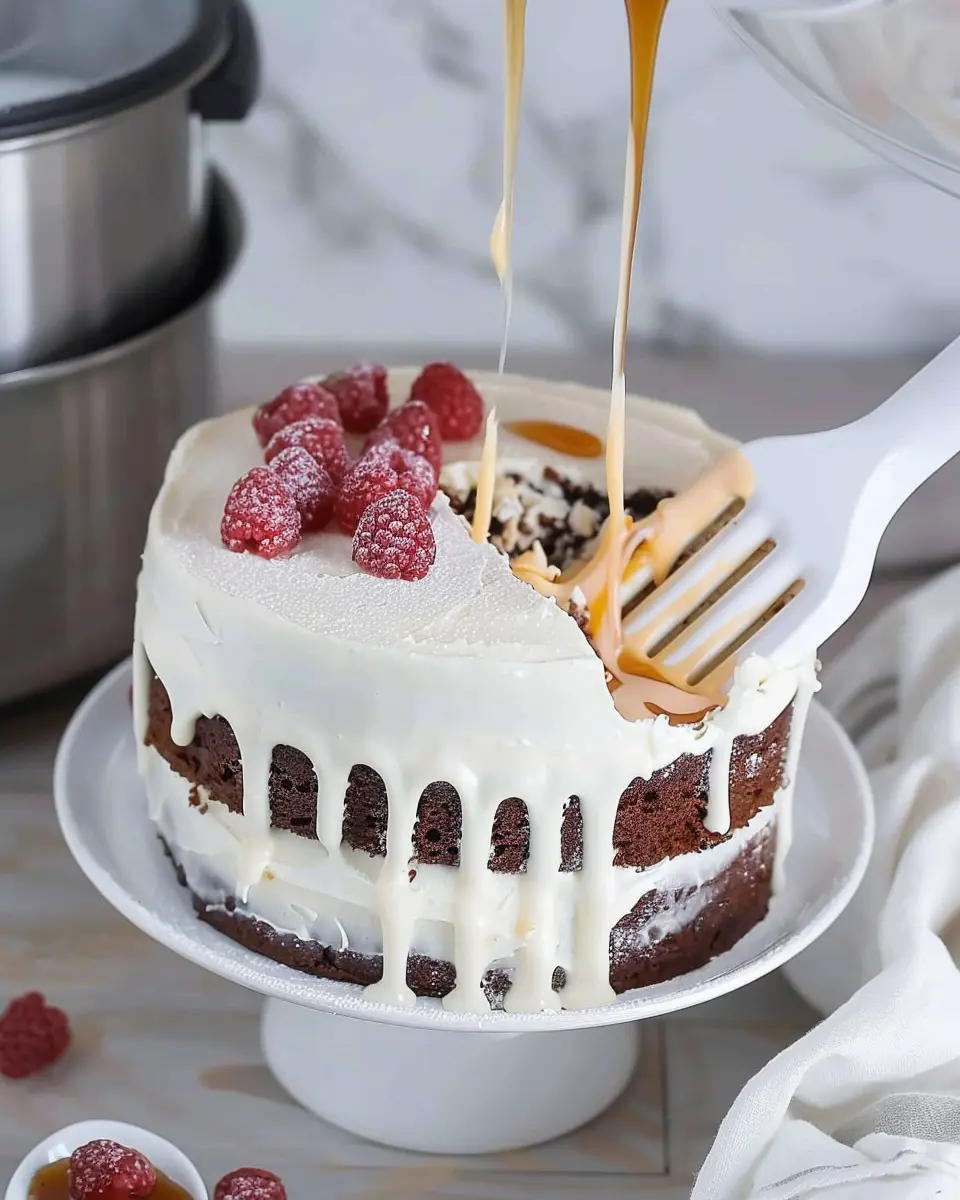
Variations on Baking Cakes
Baking cakes opens up a world of delightful possibilities, and with just a few tweaks, you can transform a simple cake into an indulgent masterpiece. Here are some variations that everyone can enjoy!
Chocolate Cake: A Classic Favorite
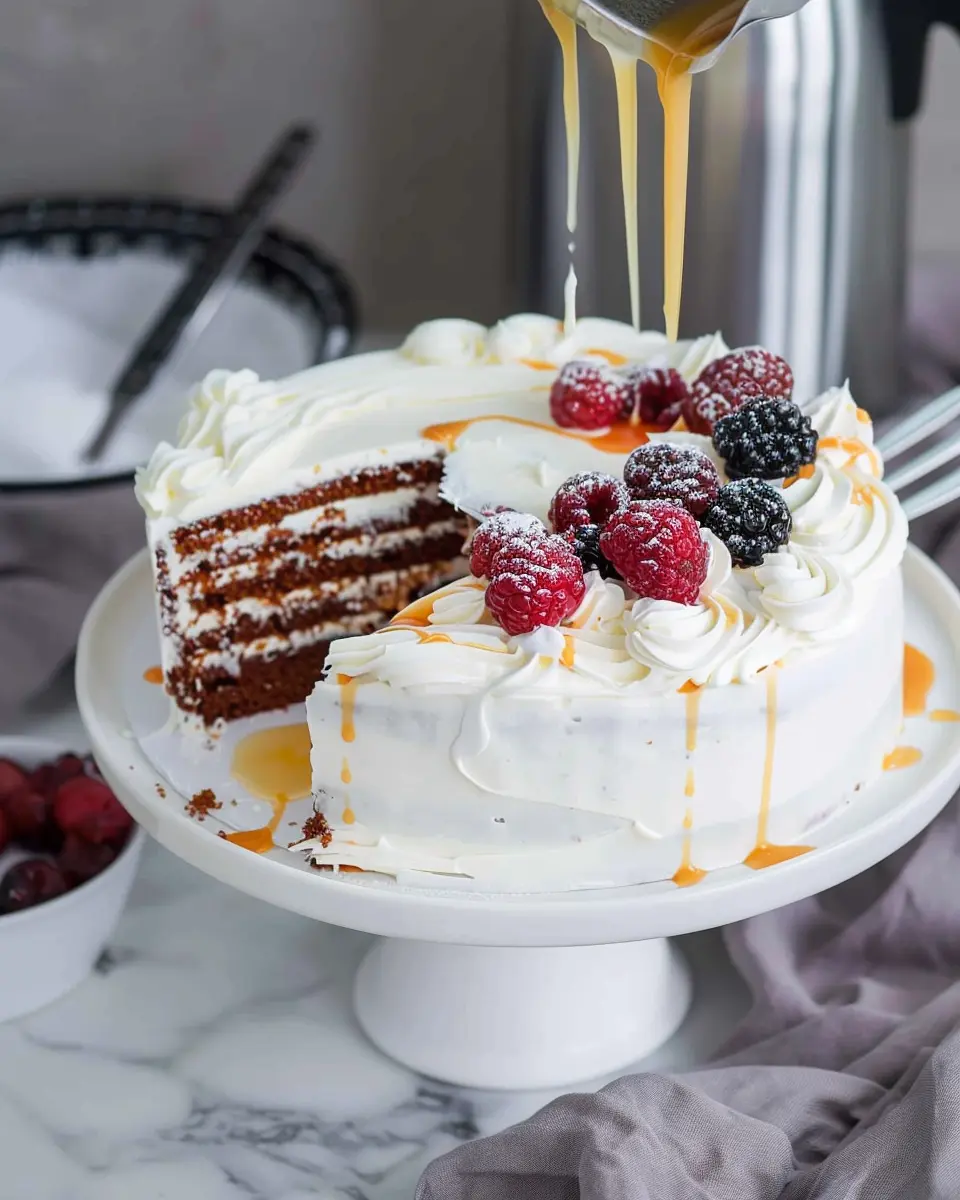
Who can resist a rich and moist chocolate cake? For a decadent twist, consider adding a splash of espresso or a dollop of Greek yogurt into your batter—these ingredients amplify the chocolate flavor without overwhelming it. When you’re looking for tips for baking cakes, remember that the quality of your cocoa powder is crucial—opt for unsweetened Dutch-processed cocoa for a smooth finish. Top your cake with a glossy ganache or serve with fresh berries for a touch of elegance.
Lemon Cake: Fresh and Zesty Twist
If you’re in the mood for something more refreshing, a lemon cake might be your best bet. The zest of a few lemons adds a burst of flavor that can brighten any occasion. To maximize the tanginess, try substituting some of the liquid in the recipe with lemon juice—this keeps the cake moist while enhancing its vibrant taste. Don’t forget to make a simple lemon glaze as a topping. It’s a fantastic way to balance sweetness and zest on your palate.
Gluten-Free Cake: For Everyone to Enjoy
Catering to dietary restrictions doesn’t have to mean sacrificing flavor. A gluten-free cake can be just as delicious! Substitute all-purpose flour with gluten-free alternatives like almond or coconut flour. Not only are these flours nutritious, but they also add unique flavors and textures to your cake. Remember, when it comes to gluten-free baking, incorporating xantham gum or flaxseed meal can help with binding, so your cakes turn out perfectly.
With these variations, you’ll have a cake for every occasion, pleasing everyone’s taste buds. Explore more about baking techniques and flour substitutes from reputable sources like King Arthur Baking or The Spruce Eats. Happy baking!
Cooking Tips and Notes for Baking Cakes
The Importance of Room Temperature Ingredients
When it comes to baking cakes, using room temperature ingredients is key to achieving the best texture. Butter, eggs, and dairy should be left out for about 30 minutes before mixing. This allows for better emulsification, resulting in a lighter, fluffier cake. Ever wondered why your cakes seem dense? It could be the cold ingredients.
Avoiding Common Baking Mistakes
Even seasoned bakers can make some common missteps. Here are a few tips for baking cakes that will help you steer clear of disaster:
- Measure Accurately: Use a kitchen scale for precision, especially when it comes to flour, as too much can lead to a dry cake.
- Don’t Overmix: Once you combine your wet and dry ingredients, mix just until moistened. Overmixing develops gluten and can lead to a tough texture.
- Know Your Oven: Ovens can be finicky! Use an oven thermometer to ensure it’s at the right temperature. Rearranging your baking pan halfway through can help with even cooking.
For more baking insights from experts, check out The Kitchn and Serious Eats. Trust me, a little extra care in the preparation will go a long way!
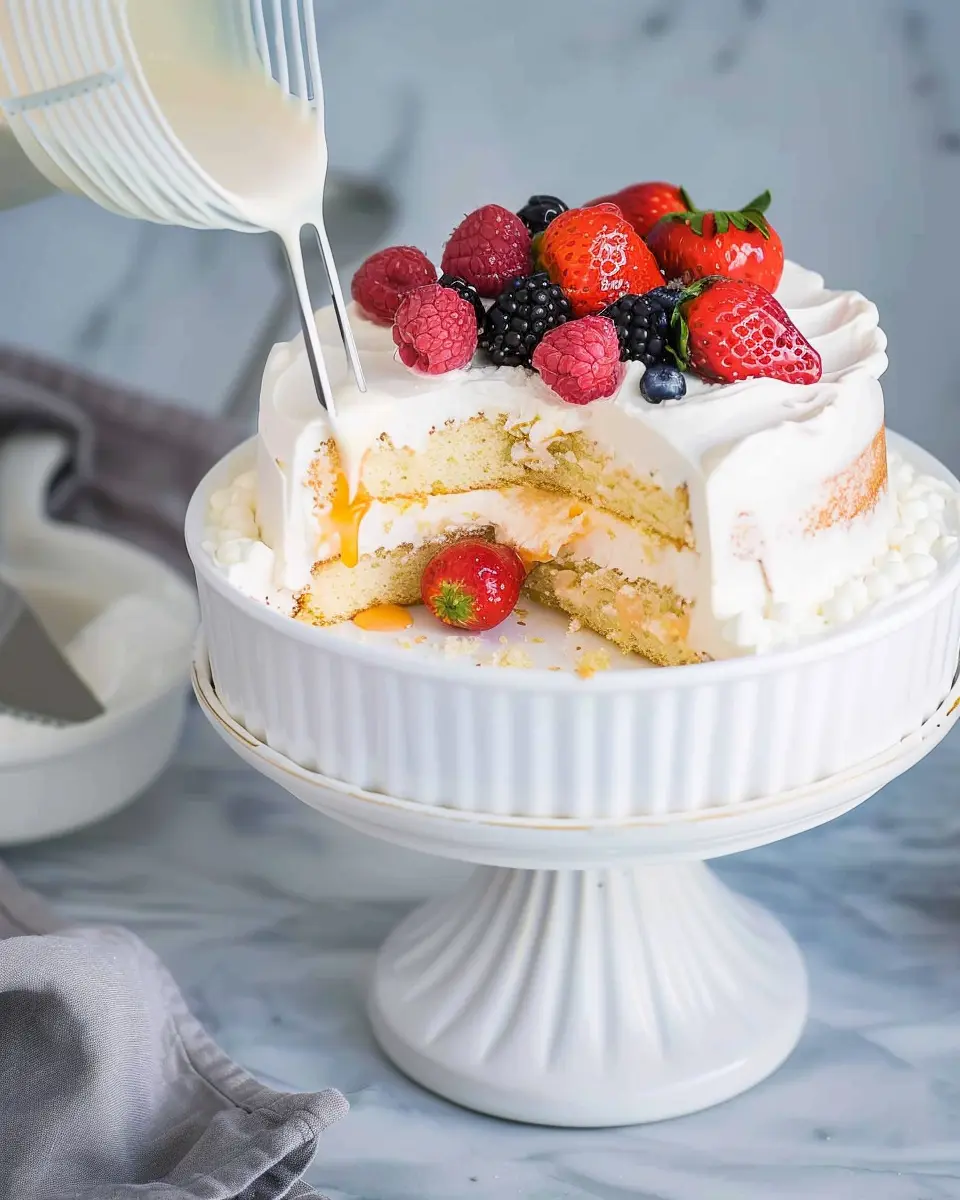
Serving Suggestions for Your Cakes
Perfect Pairings with Tea or Coffee
When it comes to enjoying cake, the right beverage can elevate the experience. Imagine sinking your fork into a rich chocolate cake paired with a robust cup of coffee, the deep flavors complementing each other beautifully. For lighter cakes, consider herbal teas. A lemon chiffon cake served alongside a refreshing chamomile tea creates a delightful contrast. If you’re exploring new drink options, check out this guide on tea pairings for even more ideas!
Creative Presentation Ideas
Presentation can make a simple cake feel extravagant. Try these tips for baking cakes to impress your guests:
- Layering: Stack smaller cakes to create a tiered effect. Decorate with fresh fruits or edible flowers for a pop of color.
- Plating: Serve slices on stylish plates, drizzled with a complementary sauce, like berry coulis.
- Themed Decor: Match the cake to your occasion with themed decorations. Birthdays could include colorful sprinkles, while holidays may call for seasonal fruit garnishes.
A little creativity goes a long way!
Time Breakdown for Baking Cakes
Preparation Time
Before diving into the joy of baking, you’ll want to set aside about 15-30 minutes for preparation. This crucial step involves gathering ingredients, preheating your oven, and greasing your baking pans. This foundational work can greatly enhance your efficiency and ensures your cake comes out perfectly.
Baking Time
Next comes the exciting part—baking! Depending on the recipe you’re following, baking time typically ranges from 25 to 45 minutes. It’s important to stay close to your oven during this time, as oven temperatures can fluctuate. For more helpful tips for baking cakes, consider checking out this resource from the Food Network.
Total Time
Add it all together, and your total time commitment will be approximately 45 minutes to 1 hour. It’s a small investment for such a delightful treat! Remember, patience is key; your taste buds will thank you for it. Want to ensure your cake turns out flawless? Keep these tips handy, and you’ll impress everyone with your baking prowess!
Nutritional Facts for Homemade Cakes
When diving into the delightful world of homemade cakes, understanding the nutritional facts is essential for balanced indulgence. A typical slice can range from 300 to 450 calories, depending on ingredients and portion sizes.
Calories per Serving
Homemade cakes can pack a caloric punch. A classic chocolate cake, for instance, often contains about 350 calories per slice. Opting for healthier alternatives, like substituting regular sugar with natural sweeteners, can lighten the load while still satisfying your sweet tooth.
Key Nutritional Information
Here are some key points to consider:
- Fat: Usually around 15-25 grams, often depending on butter versus oil use.
- Sugar: A typical slice may have 20-30 grams.
- Fiber: Whole grain flours increase fiber content, which is a bonus for your digestion.
- Protein: Cakes usually offer a small amount but can be enhanced with nutritious add-ins like nuts or Greek yogurt.
If you want to dig deeper into healthy baking choices, check out the USDA food data for more comprehensive information. Understanding these tips for baking cakes can help you maintain a healthier lifestyle while still enjoying your favorite treats.
FAQs about Baking Cakes
How Can I Ensure My Cake Stays Moist?
Keeping your cake moist is crucial for achieving that perfect texture. Here are a few tips for baking cakes that can help:
- Use Cake Flour: Its lower protein content makes for a lighter, airier cake that stays moist.
- Don’t Overmix: Mixing too much can create a dense, dry cake. Mix until just combined for the best results.
- Add Moisture Ingredients: Incorporating buttermilk, sour cream, or applesauce can add moisture without making your cake heavy.
For more in-depth techniques, check out this great resource on keeping cakes moist.
What’s the Perfect Oven Temperature for Baking Cakes?
Temperature plays a vital role in baking. The ideal oven temperature for most cakes is 350°F (175°C), which allows for even cooking without burning the edges. However, some recipes might call for lower temperatures. Always keep your oven calibrated for the best outcomes—an oven thermometer can be a great investment to ensure accurate readings.
Can I Substitute Ingredients in Cake Recipes?
Absolutely! Substituting ingredients can lead to delightful surprises. Just remember to:
- Match textures and flavors: For instance, in place of butter, consider coconut oil for a tropical twist.
- Be cautious with leavening agents: If you’re swapping baking soda for baking powder, remember that they aren’t interchangeable in equal amounts.
Want to delve deeper into creative ingredient swaps? This article on ingredient substitutions covers all the essentials you need.
Embracing these FAQs can elevate your baking game, all while paving the way for some deliciously unique cakes!
Conclusion on Baking Perfect Cakes
Summing Up Your Baking Journey
As you embark on your cake-baking adventures, remember that every great cake begins with a solid foundation of knowledge and practice. Using the tips for baking cakes shared in this article, you can refine your techniques and boost your confidence in the kitchen. Don’t hesitate to experiment with flavors, fillings, and techniques—this is how memorable cakes are created!
Always keep in mind that baking is as much about science as it is about art, and the more you practice, the closer you’ll get to that perfect cake. Ready to impress your friends and family? Your baking journey is just getting started! For more baking inspiration, check out resources like Joy of Baking and King Arthur Baking to deepen your skills further.
PrintTips for Baking Cakes: 25 Insanely Useful Tips for Perfect Cakes
Learn 25 incredibly useful tips for baking the perfect cakes, guaranteed to improve your baking skills!
- Prep Time: 15 minutes
- Cook Time: 30 minutes
- Total Time: 45 minutes
- Yield: 8 servings
- Category: Dessert
- Method: Baking
- Cuisine: American
- Diet: Vegetarian
Ingredients
Instructions
Notes
- Always preheat your oven before baking.
- Use room temperature ingredients for a smoother batter.
- Measure your flour correctly to avoid dense cakes.
- Test doneness with a toothpick inserted in the center.
- Let cakes cool completely before frosting.
Nutrition
- Serving Size: 1 slice
- Calories: 320
- Sugar: 20g
- Sodium: 150mg
- Fat: 12g
- Saturated Fat: 6g
- Unsaturated Fat: 4g
- Trans Fat: 0g
- Carbohydrates: 45g
- Fiber: 1g
- Protein: 3g
- Cholesterol: 60mg