Introduction to Protein Bread
In today’s fast-paced world, finding nutritious and convenient food options can feel like a daunting task. Enter protein bread, a delicious and wholesome alternative that packs a powerful punch of nutrients without sacrificing flavor. Whether you’re a gym enthusiast trying to increase your protein intake or simply someone looking to make healthier choices, protein bread might just become your new best friend.
Why Choose Protein Bread?
One of the standout benefits of protein bread is its impressive nutritional profile. Traditional bread may leave you feeling bloated or unsatisfied, but protein-infused bread is designed to keep you fuller for longer. Typically made from a mix of whole grains, seeds, and high-protein ingredients like whey, pea, or soy protein, protein bread transforms a staple food into a powerhouse of nutrition.
You might be wondering, “How much protein can I actually get?” Many brands offer protein bread with 10–15 grams of protein per serving, which is a significant boost compared to regular options. According to a study published in the Journal of Sports Nutrition, increasing your protein intake can aid in muscle recovery as well as help maintain a healthy weight, making this an excellent choice for active professionals.
Protein bread can easily fit into your daily routine. Toast it for breakfast, use it as the base for a turkey bacon sandwich at lunch, or enjoy a slice with your evening meal. The versatility is endless! Feeling adventurous? Try pairing it with hummus or avocado for an extra nutritious snack.
Moreover, many brands are moving towards natural and whole-food ingredients, meaning you can enjoy your protein bread guilt-free. Opt for varieties made with minimal additives and preservatives for the healthiest option. Love baking? Making homemade protein bread can yield delicious results while giving you complete control over the ingredients. You can find great recipes and tips on clean eating sites like Nutrition Stripped.
In summary, protein bread is a fantastic option for anyone seeking a flavorful, nutritious, and satisfying alternative to traditional bread products. With its ability to fuel your day and help you reach your dietary goals, it’s time to give protein bread a try!
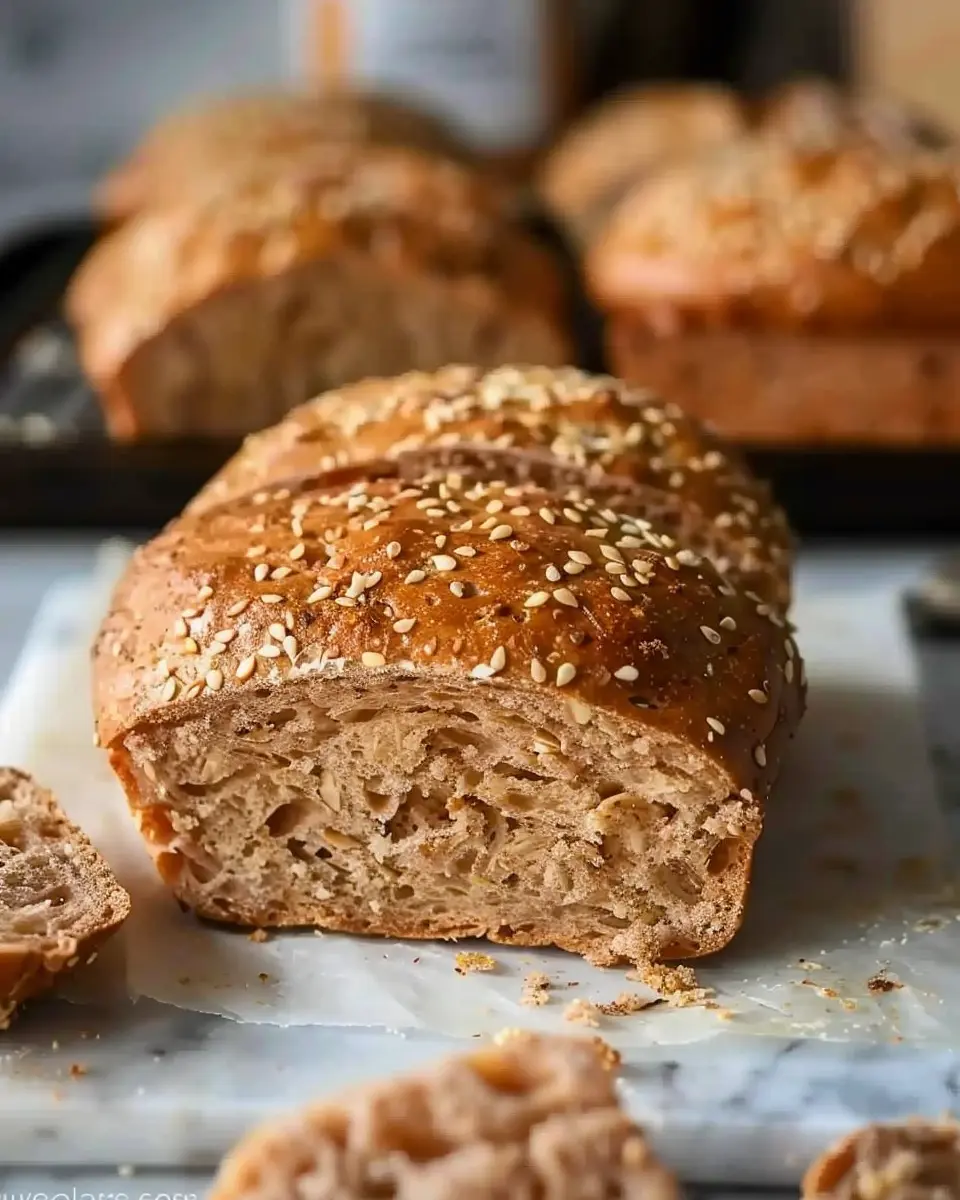
Ingredients for Protein Bread
Creating the perfect protein bread at home starts with gathering the right ingredients. Let’s break it down into essentials and optional additions that can elevate your loaf.
Essential ingredients
To whip up a hearty batch of protein bread, you’ll need:
- Protein powder (whey or plant-based): This is the star ingredient that boosts the protein content.
- Whole wheat flour: For a wholesome, nutty flavor and added fiber.
- Greek yogurt: Adds moisture while introducing more protein.
- Eggs: Not only do they provide binding, but they’re also a great source of protein.
- Baking powder: Helps your bread rise and achieve a light texture.
- Water: The foundation that brings it all together.
For a comprehensive guide on how different flours can affect your baking, check out this article on flour types.
Optional ingredients
While the essentials will give you a great start, consider these optional add-ins to enhance your protein bread:
- Seeds (like chia or flaxseeds): These add a delightful crunch and healthy omega-3 fatty acids.
- Nuts (walnuts or almonds): For extra texture and richness in flavor.
- Herbs and spices (like rosemary or garlic powder): To elevate the flavor profile of your bread.
Experimenting with these optional ingredients can lead to unique flavors and textures, making every loaf exciting! Whether you’re prepping for a busy week or just want a delicious, nutritious snack, this protein bread is sure to impress.
Step-by-step Preparation for Protein Bread
Making protein bread from scratch is not just a fun kitchen project—it’s also rewarding when you take the first bite of freshly baked goodness, bursting with flavor and nutrients. If you’re ready to embrace this healthy, high-protein option, follow these steps to ensure your bread turns out perfect every time!
Preheat Your Oven or Air Fryer
Before you start mixing up your ingredients, the first step is to preheat your oven to 350°F (175°C) or your air fryer to 320°F (160°C). This is crucial because a preheated oven or air fryer ensures that your protein bread bakes evenly and achieves that ideal crust. If you’re using an air fryer, make sure to check the manual for any specific preheating instructions tailored to your model.
Mix Dry Ingredients
In a large mixing bowl, combine your dry ingredients. For our protein bread, you’ll typically need:
- 2 cups of whole wheat flour
- 1/2 cup of protein powder (whey or plant-based depending on your preference)
- 1 tbsp of baking powder
- 1 tsp of salt
Using a whisk, mix these dry ingredients well to ensure that baking powder and salt are evenly distributed. This step is important because it helps your protein bread rise consistently. If you’re looking for more tips on ingredient substitutions or variations, you can check out this resource.
Incorporate Greek Yogurt
Once your dry ingredients are mixed, it’s time to add moisture. Stir in 1 cup of plain Greek yogurt. Not only does Greek yogurt enhance the texture of your protein bread, but it also contributes an extra protein boost. Using Greek yogurt is a game-changer because it keeps the bread moist without adding excess fat.
You can also consider adding other flavor enhancers here, like herbs or spices. A dash of garlic powder or Italian herbs can elevate the flavor profile, making your protein bread perfect for sandwiches or served with soups.
Knead the Dough
After incorporating the Greek yogurt, it’s time to get your hands a little dirty! Flour your workspace lightly and transfer your dough onto it. Begin kneading the dough gently for about 5-7 minutes. The goal is to create a mixed, smooth dough that springs back lightly when pressed. Don’t worry if the dough seems a bit sticky at first; that’s normal.
Kneading not only brings the ingredients together but also develops the gluten, which is essential for that delightful chewiness in any bread.
Shape Into Buns
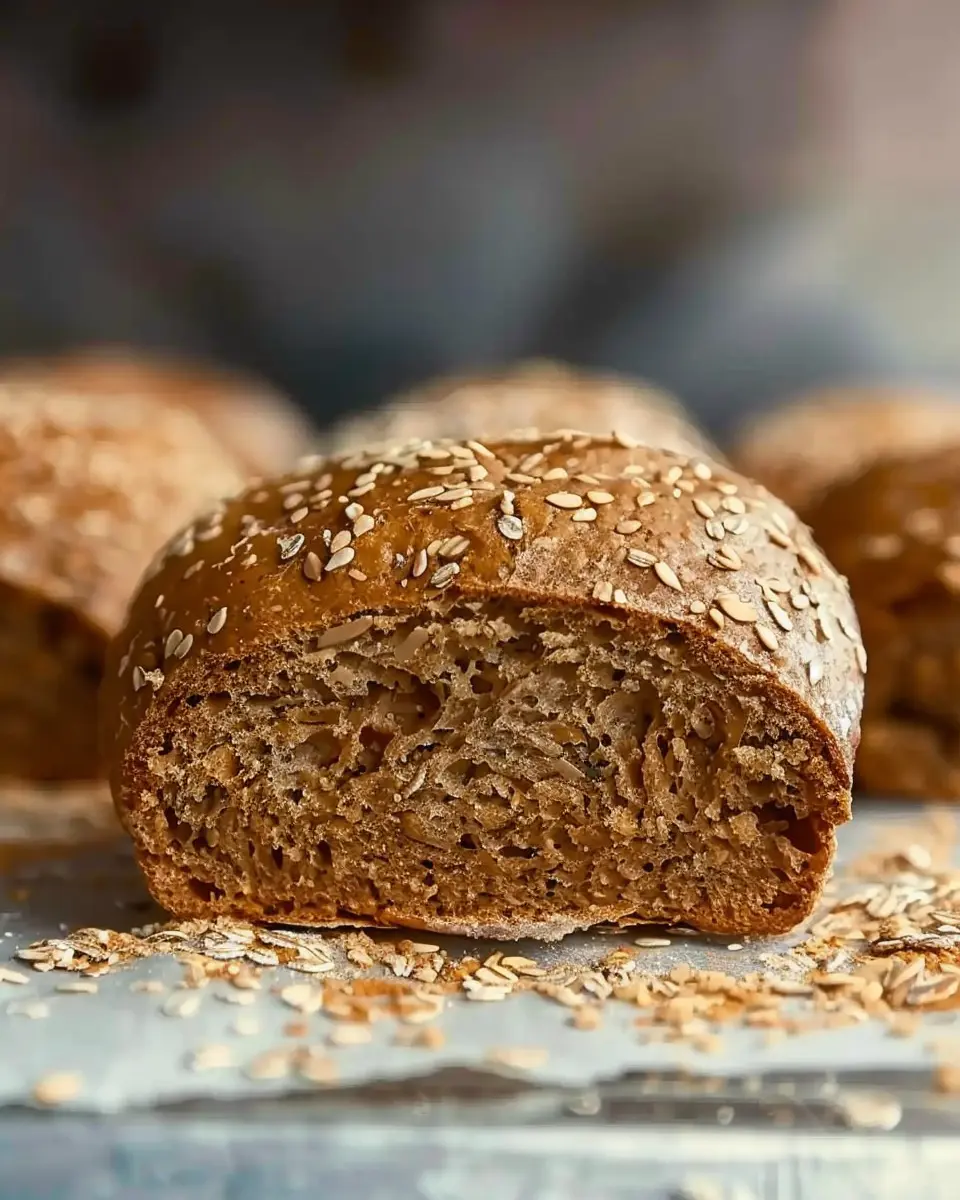
Once your dough is kneaded, it’s time to shape it. Divide the dough into equal portions, depending on how large you want your buns to be. Roll each piece into a round ball and gently flatten it. If you’re interested in making a different shape (like rolls or a loaf), feel free to get creative!
As you shape your protein bread, this is also a great moment to think about how you will enjoy it. Will it be toasted for breakfast, or part of a hearty sandwich? The possibilities are endless!
Bake to Perfection
Place your shaped dough onto a baking sheet lined with parchment paper. If you’re using an air fryer, place the buns in the basket, making sure there’s enough space for air to circulate. Bake for about 20-25 minutes or until golden brown and a toothpick comes out clean.
For added flair, consider brushing the tops with a little olive oil or an egg wash before baking to give your protein bread that enticing golden-brown finish. As the heavenly aroma fills your kitchen, grab a book or set a timer—you’ll want to keep an eye on it to ensure nothing overbakes!
There you have it! With these step-by-step instructions, your homemade protein bread will soon be fresh out of the oven or air fryer, ready for tasting or meal preparation. Enjoy its unique flavors, and don’t forget to share your delicious results!
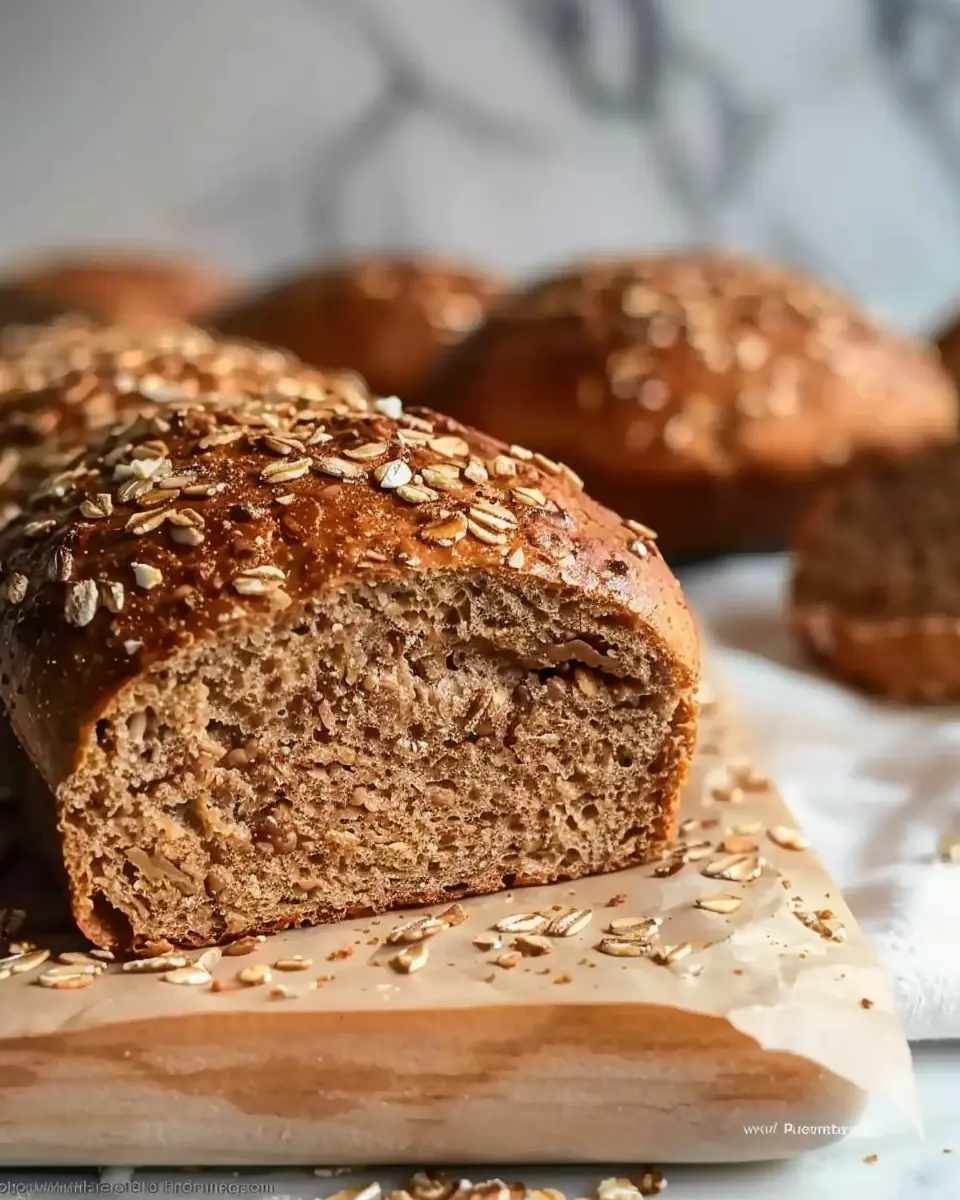
Variations on Protein Bread
Protein Bread with Seeds
If you’re looking to amp up the nutritional value of your protein bread, adding seeds is an excellent choice. Not only do they add a delightful crunch, but they also contribute healthy fats, fiber, and additional protein. Here are some popular seeds to consider:
- Chia Seeds: These tiny powerhouses are packed with omega-3 fatty acids and will give your bread a nice gel-like texture.
- Flaxseeds: Rich in lignans and fiber, flaxseeds offer a nutty flavor that complements the bread wonderfully.
- Pumpkin Seeds: Adding pumpkin seeds not only enhances the visual appeal but also brings an earthy taste and a hearty crunch.
You can mix and match these seeds or even sprinkle them on top of the dough before baking for a beautiful finish. For more seed-based inspiration, check out the Nutritional Benefits of Seeds.
Sweet Protein Bread Alternatives
Did you know that protein bread can also satisfy your sweet tooth? Incorporating natural sweeteners and fruits can lead to delicious alternatives perfect for breakfast or a snack. Here are a few ideas to try:
- Banana Protein Bread: Combining bananas with your protein bread recipe adds moisture and natural sweetness. Plus, it’s a great way to use those overripe bananas sitting on your counter!
- Apple Cinnamon Variations: Diced apples and a sprinkle of cinnamon transform your protein bread into a comforting delight, ideal for chilly mornings.
Don’t hesitate to experiment with nuts, chocolate chips, or dried fruits like cranberries for additional textures and flavors. With these variations, your protein bread can become a versatile staple perfect for any time of day.
Remember, the key to great bread is experimentation, so have fun in the kitchen!
Cooking Tips and Notes for Protein Bread
Common issues and solutions
Baking protein bread can come with a few challenges. Don’t worry, though! Here are some common issues to look out for:
- Dough too dry: This might be due to over-measuring your flour. Always spoon it into the measuring cup rather than scooping.
- Bread not rising: Make sure your yeast is fresh! If it’s been in the pantry longer than six months, it might not be active.
- Crumbly texture: Consider adding a bit more liquid or using a blend of flours for added moisture.
Tools to make the process easier
Having the right tools can make baking your protein bread a breeze:
- Stand mixer: This helps knead the dough evenly without much effort.
- Digital scale: For precise measurements, which is crucial in baking.
- Bread pan: Use a non-stick pan to prevent sticking, ensuring a smoother release.
Baking can be a delightful experience, and with these tips, you’ll create a nourishing, protein-packed bread that not only boosts your meals but also your confidence as a home baker. For additional information on making the most out of baking, check out this helpful guide. Happy baking!
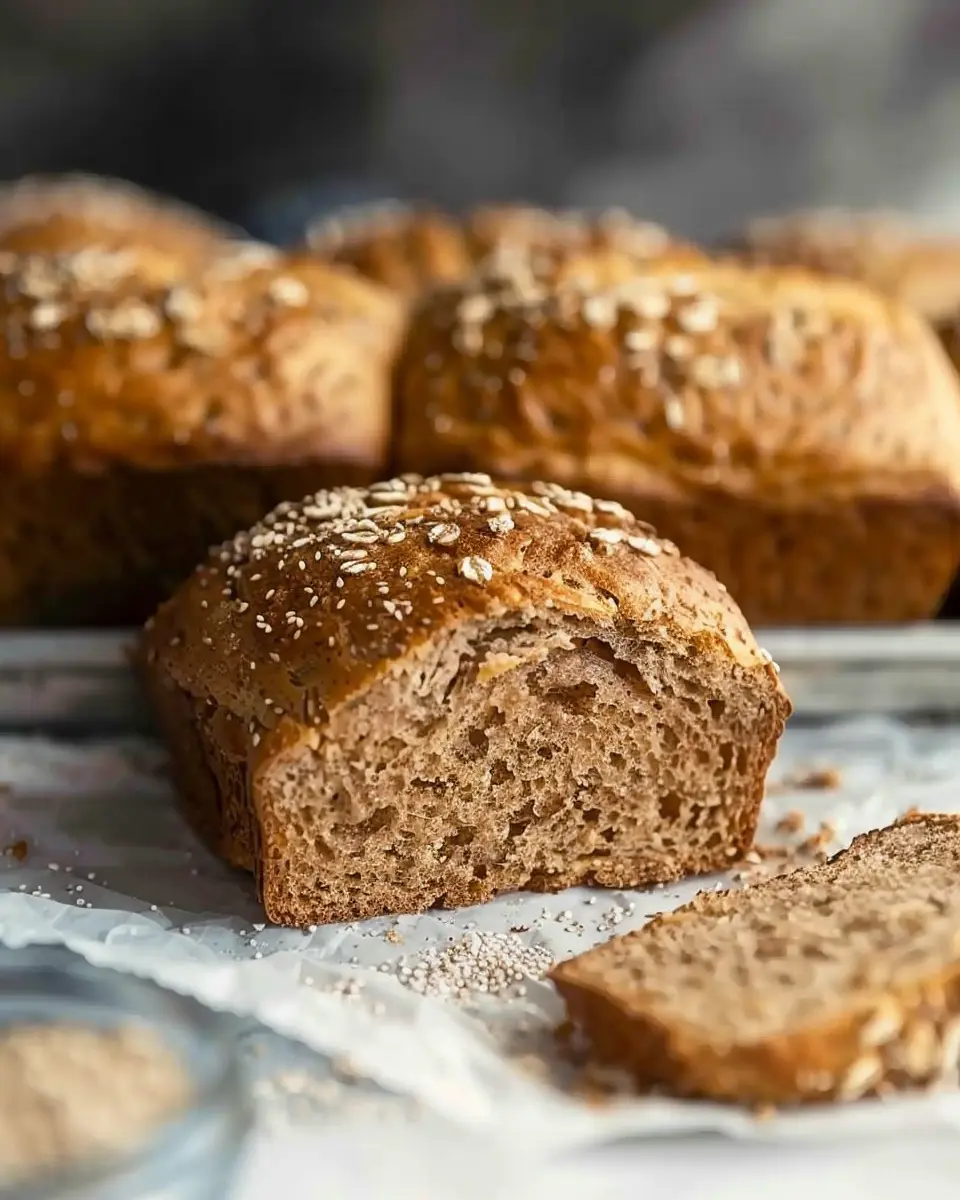
Serving Suggestions for Protein Bread
Breakfast Pairings
Kickstarting your day with protein bread can be a game-changer! Slice it up and toast it lightly to enhance that crunchy texture. Top it with creamy avocado for a healthy dose of monounsaturated fats and add a sprinkle of salt for flavor. Feeling adventurous? Try a decadent layer of almond butter and banana slices for a sweet yet nutritious breakfast. You could even opt for a classic spread of Turkey Bacon and scrambled eggs for a protein-packed morning feast.
Creative Use for Sandwiches
When it comes to lunchtime, the versatility of protein bread shines through. Replace your regular bread with this nutrient-dense option to craft delightful sandwiches. Try it with Chicken Ham, fresh spinach, and a dash of mustard for a savory delight. Whatever your protein preference, think outside the box! Use the bread as the base for an open-faced sandwich topped with a vibrant mix of grilled veggies and feta cheese. Not only will you feel fuller longer, but you’ll also be fueling your body with essential nutrients.
For more ideas on how to elevate your sandwiches, check out EatingWell’s sandwich tips. Let your culinary creativity flow!
Time Breakdown for Protein Bread
When you’re ready to whip up some delicious protein bread, it’s helpful to know how much time you’ll need for each step. Planning is key!
Preparation Time
Setting aside about 10 to 15 minutes for preparation is ideal. This includes gathering your ingredients, measuring them out, and mixing everything together. Having all your tools ready makes the process smooth and fun. Pop on a podcast or your favorite playlist to make it even more enjoyable!
Baking Time
Once your protein bread is in the oven, it will need about 30 to 35 minutes to bake. You’ll want to keep an eye on it during the last few minutes to ensure that perfect golden brown crust.
Total Time
In total, you’re looking at approximately 40 to 50 minutes from start to finish. This makes it a quick yet rewarding recipe for young professionals on the go. Plus, you’ll have nutritious bread that pairs perfectly with your busy lifestyle.
For tips on how to make the most out of your baking experience, feel free to check out this article on time management in the kitchen. Happy baking!
Nutritional Facts for Protein Bread
When it comes to protein bread, understanding its nutritional profile can help you enjoy it guilt-free. Let’s dive into some essential facts:
Calories
One slice of protein bread typically contains around 80-100 calories. This makes it a fantastic option for those looking to manage their calorie intake while still enjoying a hearty meal.
Protein Content
As the name suggests, protein bread is impressive in this department. Each slice can provide approximately 8-12 grams of protein, which is fantastic for repairing muscles and keeping you full longer—and who doesn’t love that!
Fiber Content
Additionally, protein bread is a good source of dietary fiber, offering around 2-5 grams per slice. Adequate fiber intake is crucial for digestive health, and protein bread can easily fit into your daily fiber goals while tasting great.
For more in-depth insights on nutritional needs, you might check out sources like the Harvard T.H. Chan School of Public Health. As you can see, swapping your usual bread for protein bread can be a delicious and nutritious choice!
FAQs about Protein Bread
What is the nutritional value of protein bread?
Protein bread is not just a delightful alternative to traditional bread; it also comes packed with essential nutrients. Typically, this type of bread contains increased levels of protein, thanks in part to added ingredients like protein powder, nuts, or seeds. On average, a slice can deliver:
- High Protein: About 10-15 grams of protein per serving
- Low Carbs: Often lower in carbohydrates than standard bread
- Healthy Fats: Includes good fats depending on added seeds or nuts
- Fiber: Contributes to feelings of fullness and aids digestion
Incorporating protein bread into your meals can help support muscle maintenance and overall health. For more on dietary fiber and protein, check out this informative article from Healthline.
Can I use different types of flour?
Absolutely! One of the great things about making protein bread is its versatility. You can experiment with various flours such as:
- Almond Flour: Adds healthy fats and a nutty flavor
- Coconut Flour: Great for low-carb diets, but be cautious as it absorbs moisture
- Oat Flour: Provides a subtle sweetness and extra fiber
Feel free to mix and match based on your dietary preferences or what you have at home!
How do I store leftover protein bread?
Leftover protein bread? No problem! To keep it fresh and delicious:
- Room Temperature: Store in an airtight container for 2-3 days.
- Refrigerator: For longer shelf life, refrigerate for up to a week.
- Freezing: Freeze slices wrapped in plastic and stored in a freezer bag for up to 3 months.
Label them with the date so you can enjoy them at their best! With these tips, you’ll minimize waste and enjoy your protein-packed goodness whenever you desire.
If you find yourself craving more information about protein alternatives, explore this great guide on Superfoods.
Conclusion on Protein Bread
Embracing homemade protein bread for a healthier lifestyle
Making your own protein bread is not just a trend; it’s a delightful way to enhance your nutrition while enjoying the process of baking. By crafting this bread at home, you control the ingredients, ensuring that your loaf is packed with lean proteins, healthy fibers, and wholesome grains.
Imagine the satisfaction of biting into a warm, fresh loaf that you made yourself, knowing that it fuels your active lifestyle. Plus, incorporating protein bread into your diet can help with muscle recovery and keep you feeling full longer.
So, why not give it a try? As you experiment with different flavor combinations and toppings, you may just find your new go-to recipe that impresses friends and family. For more tips on healthy eating, check out sources like Healthline for expert insights and inspiration.
PrintProtein bread: The best homemade recipe for a healthier lifestyle
Learn how to make delicious protein bread at home for a healthier lifestyle.
- Prep Time: 15 minutes
- Cook Time: 35 minutes
- Total Time: 50 minutes
- Yield: 1 loaf
- Category: Bread
- Method: Baking
- Cuisine: American
- Diet: High-Protein
Ingredients
- 2 cups whole wheat flour
- 1 cup protein powder
- 1/2 cup Greek yogurt
- 1/4 cup honey
- 1 teaspoon salt
- 1 tablespoon baking powder
- 1 1/2 cups warm water
Instructions
- Preheat the oven to 350°F (175°C).
- In a large mixing bowl, combine whole wheat flour, protein powder, salt, and baking powder.
- Add Greek yogurt and honey to the dry ingredients, then slowly incorporate warm water until a dough forms.
- Knead the dough for about 5 minutes on a floured surface.
- Form the dough into a loaf shape and place it in a greased loaf pan.
- Bake for 30-35 minutes or until golden brown.
- Let cool before slicing.
Notes
- For added flavor, mix in herbs or seeds.
- Store in an airtight container for up to a week.
Nutrition
- Serving Size: 1 slice
- Calories: 150
- Sugar: 8g
- Sodium: 150mg
- Fat: 3g
- Saturated Fat: 1g
- Unsaturated Fat: 2g
- Trans Fat: 0g
- Carbohydrates: 25g
- Fiber: 4g
- Protein: 10g
- Cholesterol: 5mg