Outline for Baking the Perfect Cake
Introduction to Baking the Perfect Cake
Baking the perfect cake is more than just following a recipe; it’s an art that combines chemistry, creativity, and a pinch of love. Whether you’re celebrating a birthday, an anniversary, or simply savoring a quiet afternoon, a well-baked cake can turn an ordinary day into something special. It’s often said that baking is a form of therapy, and there’s something truly magical about the way a few simple ingredients can transform into a sweet masterpiece.
The beauty of homemade cakes lies in their versatility. Not only can you customize flavors and decorations, but you also have complete control over what goes into your cake. From organic flour to locally sourced eggs, using fresh, high-quality ingredients can elevate your baking experience. The aroma wafting through your kitchen as your cake bakes is an experience worth savoring.
So, why is baking the perfect cake important? Perhaps it’s because cakes symbolize joy and celebration in many cultures. They often mark significant milestones, creating fond memories that are cherished for years to come. According to a survey conducted by the American Bakers Association, nearly 75% of people associate cakes with love and happiness, highlighting not just the flavor but the emotional connections baked goods can forge (source: American Bakers Association).
As you embark on your cake-baking journey, prepare yourself for the delightful flavors and beautiful textures that await. Let’s dive deeper into the essentials of crafting the perfect cake by focusing on the right ingredients and preparation techniques, so you can impress your friends or treat yourself with a delicious homemade dessert.
Understanding the Key Elements of a Perfect Cake
When we talk about baking the perfect cake, we need to consider various facets that contribute to its success. The key components of a perfect cake include:
-
Flavor: A cake with a well-balanced flavor that sings with each bite is a star. Whether you prefer chocolate, vanilla, or a fruit-infused cake, the right ingredients and proportions matter.
-
Texture: Cake can be light and fluffy or dense and rich. Achieving the right texture often depends on the mixing method, the specific ingredients used, and how they come together.
-
Moisture: A dry cake is a huge disappointment. The moisture level must be just right to ensure each slice remains tender and scrumptious.
-
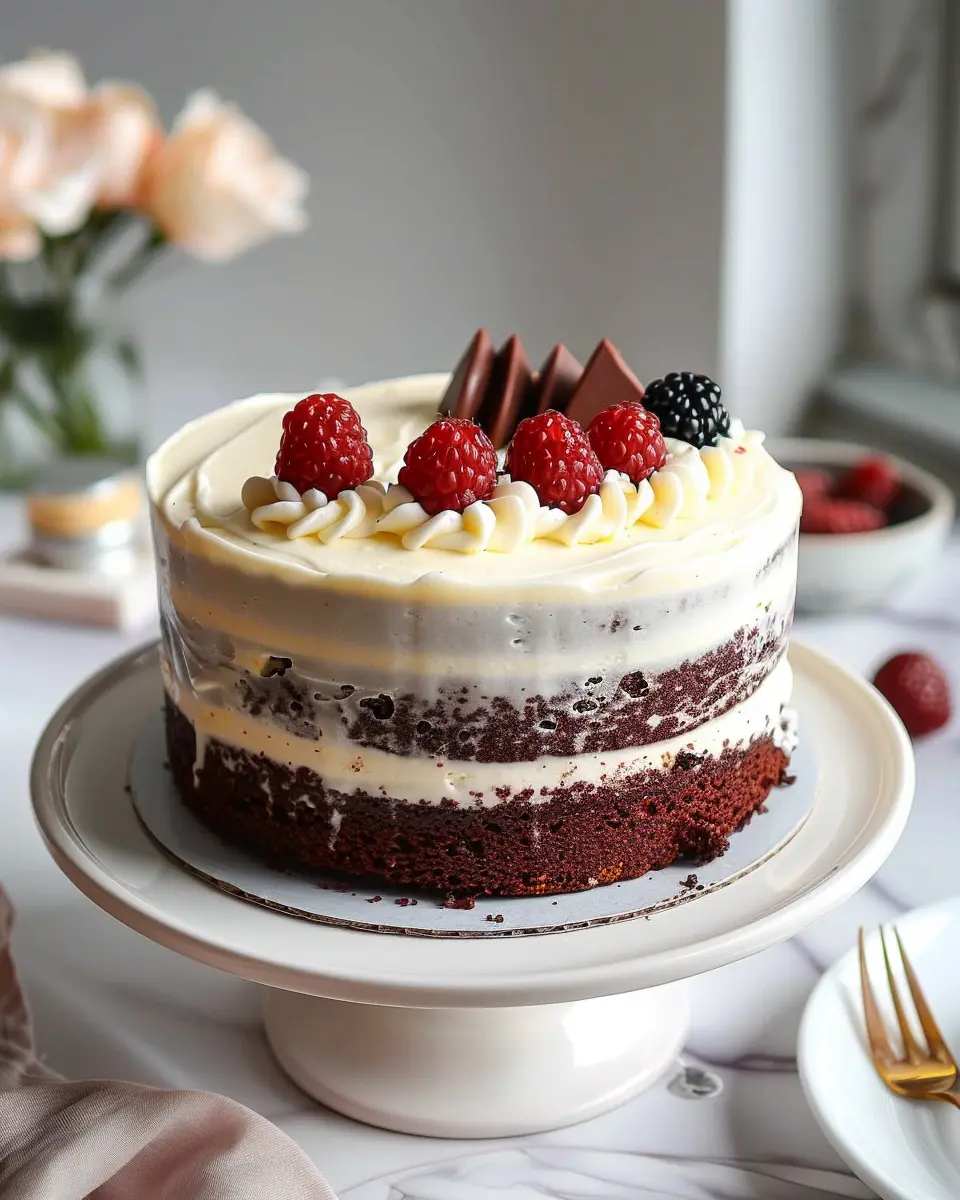
Appearance: A beautifully decorated cake isn’t just about aesthetics; it enhances the overall experience of savoring it. Gorgeous frosting, garnishes, and even the cake’s shape can thrill both the eyes and the palate.
These elements can be tailored to reflect your style while still adhering to classic baking principles. If you’re looking for inspiration or techniques that professionals use, consider checking out resources like Serious Eats for expert advice.
Ingredients for Baking the Perfect Cake
The foundation of a delicious cake lies in its ingredients. To ensure you’re baking the perfect cake, you need the following essentials:
-
Flour: All-purpose flour is a great choice, but for lighter cakes, consider cake flour.
-
Sugar: Granulated sugar is typically used, but you can experiment with brown sugar for a deeper flavor or even honey or maple syrup for natural sweetness.
-
Leavening agents: Baking powder and baking soda create the desired rise. Always ensure they’re fresh for the best effect.
-
Fats: Unsalted butter provides richness, while oils can contribute to moisture.
-
Eggs: They bind the ingredients together and add moisture; eggs must be at room temperature for even mixing.
-
Milk (or alternatives): Adds moisture and flavor. For a dairy-free option, almond or oat milk works well.
-
Flavoring agents: Vanilla extract is a classic choice, but don’t be afraid to experiment with zest from citrus fruits or spices like cinnamon.
These ingredients set the stage for your baking adventure. Remember, quality matters, so opt for the best ingredients you can find.
Step-by-Step Preparation for Baking the Perfect Cake
Now that you have all your ingredients ready, let’s dive into the step-by-step preparation for baking the perfect cake. Following these steps will ensure that you’re on the right track to a beautiful cake:
-
Preheat Your Oven: Start by preheating your oven to the appropriate temperature, typically around 350°F (175°C). This ensures an even bake.
-
Prepare Your Baking Pan: Grease and flour the baking pans you plan to use. Line the bottoms with parchment paper to prevent sticking.
-
Mix Dry Ingredients: In a bowl, whisk together your flour, baking powder, and any other dry flavorings like cocoa powder. This helps to evenly distribute the leavening agents.
-
Cream the Butter and Sugar: Using an electric mixer, beat the softened butter until smooth, then gradually add in the sugar. Cream them together until the mixture is light and fluffy. This can take about 3-5 minutes.
-
Incorporate Eggs: Add the eggs one at a time, mixing well after each addition to ensure they’re fully incorporated. This creates a stable structure for your cake.
-
Combine Wet and Dry Ingredients: Alternately add the dry mixture and milk into the butter-sugar mixture. Start and end with the dry ingredients, mixing just until everything is combined. Overmixing can lead to a dense cake.
-
Pour into Prepared Pan: Divide the batter evenly into the prepared pans. Use a spatula to smooth the top if necessary.
-
Bake: Place in the preheated oven and bake for approximately 25-35 minutes, or until a toothpick inserted into the center comes out clean.
-
Cool the Cake: Allow the cakes to cool in the pans for about 10 minutes before transferring them to a wire rack. Let them cool completely before frosting.
-
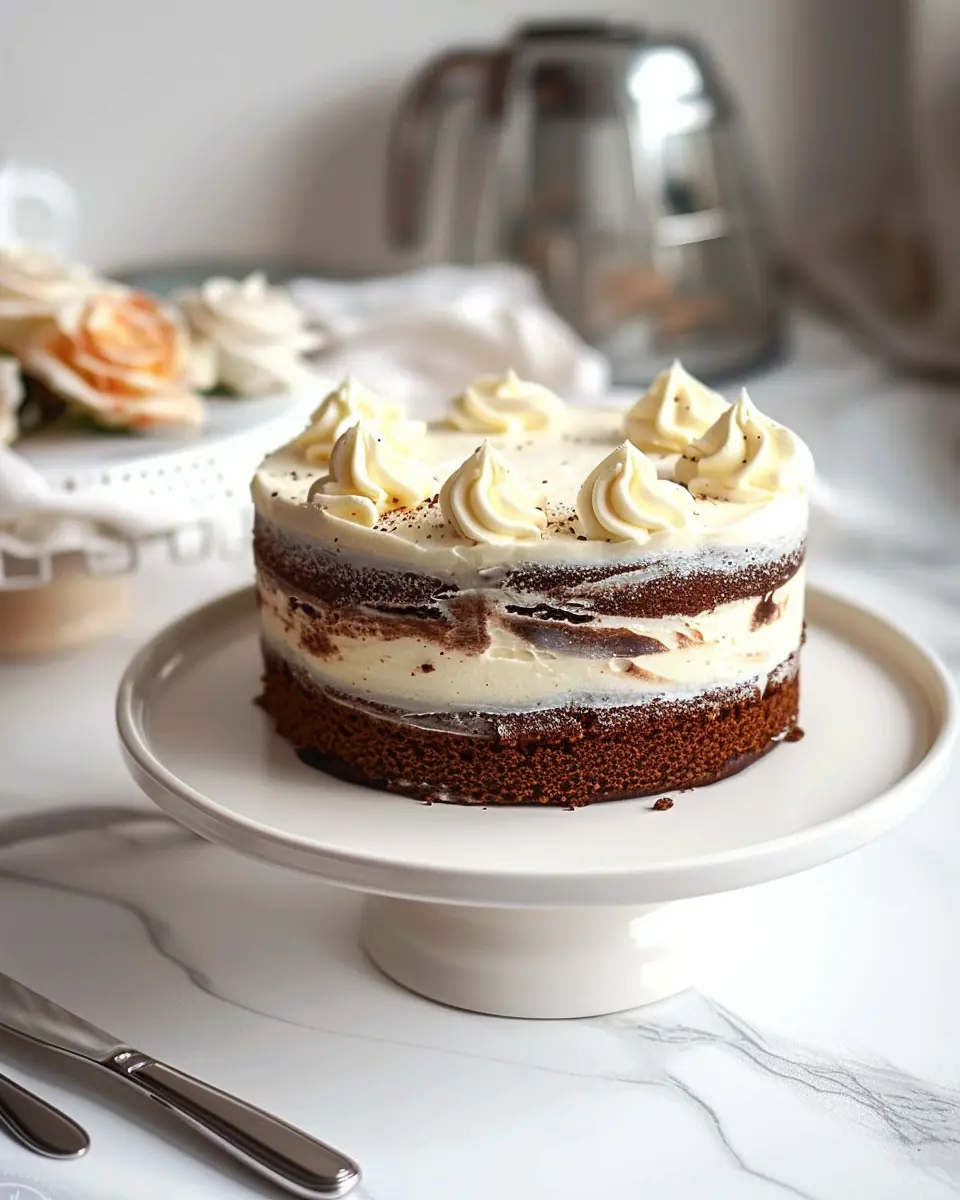
Frosting and Decorating: This is where your creativity shines. Whether you prefer a simple dusting of powdered sugar, a classic buttercream, or a rich ganache, apply your frosting with care.
Each of these steps plays a crucial role in the outcome. Baking is science, and attention to detail makes all the difference.
Exploring Variations for Baking the Perfect Cake
When it comes to baking the perfect cake, variations can truly spark creativity and excitement. Here are a few variations you might consider:
-
Flavored Cakes: Add zest from lemons, oranges, or limes, or try incorporating spices like cinnamon or cardamom for warm flavors.
-
Filling Options: Consider adding fruit, such as fresh berries or a rich pastry cream, between cake layers for a burst of flavor.
-
Healthier Twists: Substitute half the flour with whole wheat flour or use unsweetened applesauce in place of some butter for a healthier option.
-
Themed Cakes: Create unique decorations to match a specific occasion, whether it’s a simple, elegant theme or a whimsical, colorful design for a child’s birthday.
Each variation can significantly change the overall experience of your cake. Be adventurous and create combinations that reflect your personal taste!
Cooking Tips and Notes for Baking the Perfect Cake
As you embark on your cake-baking journey, here are some valuable tips and notes to keep in mind:
-
Room Temperature Ingredients: Always use room temperature eggs and butter. This helps them combine more easily, leading to a better texture.
-
Don’t Overmix: Mix just until combined. Overmixing can develop gluten, resulting in a tougher cake.
-
Invest in an Oven Thermometer: Ovens can often run hotter or cooler than their settings, so using an oven thermometer ensures you’re baking at the right temperature.
-
Use the Toothpick Test: To check for doneness, inserting a toothpick should come out clean or with a few moist crumbs but not wet batter.
-
Store Properly: If your cake needs to be stored, wrap it tightly in plastic wrap or store in an airtight container. This helps maintain moisture.
These tips can turn a good cake into a great one. Celebrate your reflections and adjust your technique for each bake.
Serving Suggestions for Baking the Perfect Cake
When it comes to serving your cake, presentation is key! Here are some serving suggestions to elevate your cake experience:
-
Slice it Nice: Use a serrated knife for clean, smooth cuts to prevent crumbling and maintain a professional look.
-
Pair with Accompaniments: Serve with a side of fresh whipped cream, ice cream, or a scoop of yogurt. A drizzle of chocolate or a fruit sauce can add an appealing flair.
-
Garnishes: Fresh fruits, edible flowers, or a sprinkle of powdered sugar can decorate your cake beautifully, adding a pop of color.
-
Personal Touch: Consider a handwritten note on a decorative plate or theme-based serving options.
By thoughtfully considering how you serve your cake, you can turn a simple dessert into a lavish feast.
Time Breakdown for Baking the Perfect Cake
Understanding your time commitment is crucial for baking the perfect cake. Here’s a basic breakdown:
-
Preparation Time: Gather and prepare your ingredients, about 20-30 minutes.
-
Mixing and Baking: Expect around 25-35 minutes for the baking process.
-
Cooling Time: Let your cake cool for approximately 30-60 minutes.
-
Frosting and Decorating: Spend around 20-30 minutes to frost and decorate your cake, depending on complexity.
Plan your schedule to ensure you have enough time; whether for a celebration or a casual afternoon treat, organization is key!
Nutritional Facts for Baking the Perfect Cake
While indulging in cake, it’s helpful to be mindful of nutritional content. Here’s a basic overview of what you might expect per slice (this can vary widely based on ingredients):
- Calories: Approximately 300-500 calories (varies by recipe and serving size)
- Fat: 15-25 grams, depending on butter and frosting
- Carbohydrates: 40-60 grams
- Protein: Typically around 4-6 grams, based on egg content
Always consider dietary needs and the variety of alternatives available. There are so many ways to make your cake both indulgent and mindful!
FAQs about Baking the Perfect Cake
As you venture into baking the perfect cake, you may have questions. Here are some frequently asked ones:
-
Can I use gluten-free flour?
Yes, gluten-free flour blends can be used, but they might require additional binding agents like xanthan gum for better structure. -
How do I prevent my cake from sinking?
Ensure your leavening agents are fresh and avoid opening the oven door too early; this can affect the rise. -
What should I do if my cake is too dry?
A simple syrup made of sugar and water (or fruit juice) can rejuvenate dry cake slices. -
Can I freeze my cake?
Absolutely! Wrap tightly in plastic wrap and store in the freezer for up to three months.
These common questions can help troubleshoot any potential issues you may encounter.
Conclusion on Baking the Perfect Cake
In conclusion, baking the perfect cake is a rewarding, joyful experience that brings flavor, creativity, and a sense of accomplishment into your kitchen. With the right ingredients, careful preparation, and a sprinkle of personal flair, you can create delightful cakes that leave a lasting impression.
Baking is not just about the end product; it’s also about the process and the memories made along the way. So, roll up your sleeves and enjoy the adventure of baking!
Baking the Perfect Cake: 12 Essential Tips for Success
Enhance your baking skills with these 12 essential tips for baking the perfect cake every time.
- Prep Time: 20 minutes
- Cook Time: 35 minutes
- Total Time: 55 minutes
- Yield: 8 servings
- Category: Dessert
- Method: Baking
- Cuisine: American
- Diet: Vegetarian
Ingredients
- 2 cups all-purpose flour
- 1 cup granulated sugar
- 1/2 cup unsalted butter, softened
- 1 cup milk
- 3 1/2 tsp baking powder
- 1 large egg
- 1 tsp vanilla extract
- 1/4 tsp salt
Instructions
- Preheat your oven to 350°F (175°C).
- In a mixing bowl, cream together the sugar and butter until smooth.
- Beat in the egg, then stir in the vanilla.
- Combine flour, baking powder, and salt in another bowl.
- Add alternately with the milk to the creamed mixture, starting and ending with the flour.
- Pour batter into a greased cake pan.
- Bake for 30 to 35 minutes. Check with a toothpick for doneness.
- Let the cake cool before serving.
Notes
- Ensure all ingredients are at room temperature.
- Do not overmix the batter to avoid a dense cake.
- Use a cake leveler for even layers if making a layered cake.
Nutrition
- Serving Size: 1 slice
- Calories: 250
- Sugar: 12g
- Sodium: 150mg
- Fat: 10g
- Saturated Fat: 6g
- Unsaturated Fat: 4g
- Trans Fat: 0g
- Carbohydrates: 35g
- Fiber: 1g
- Protein: 2g
- Cholesterol: 30mg