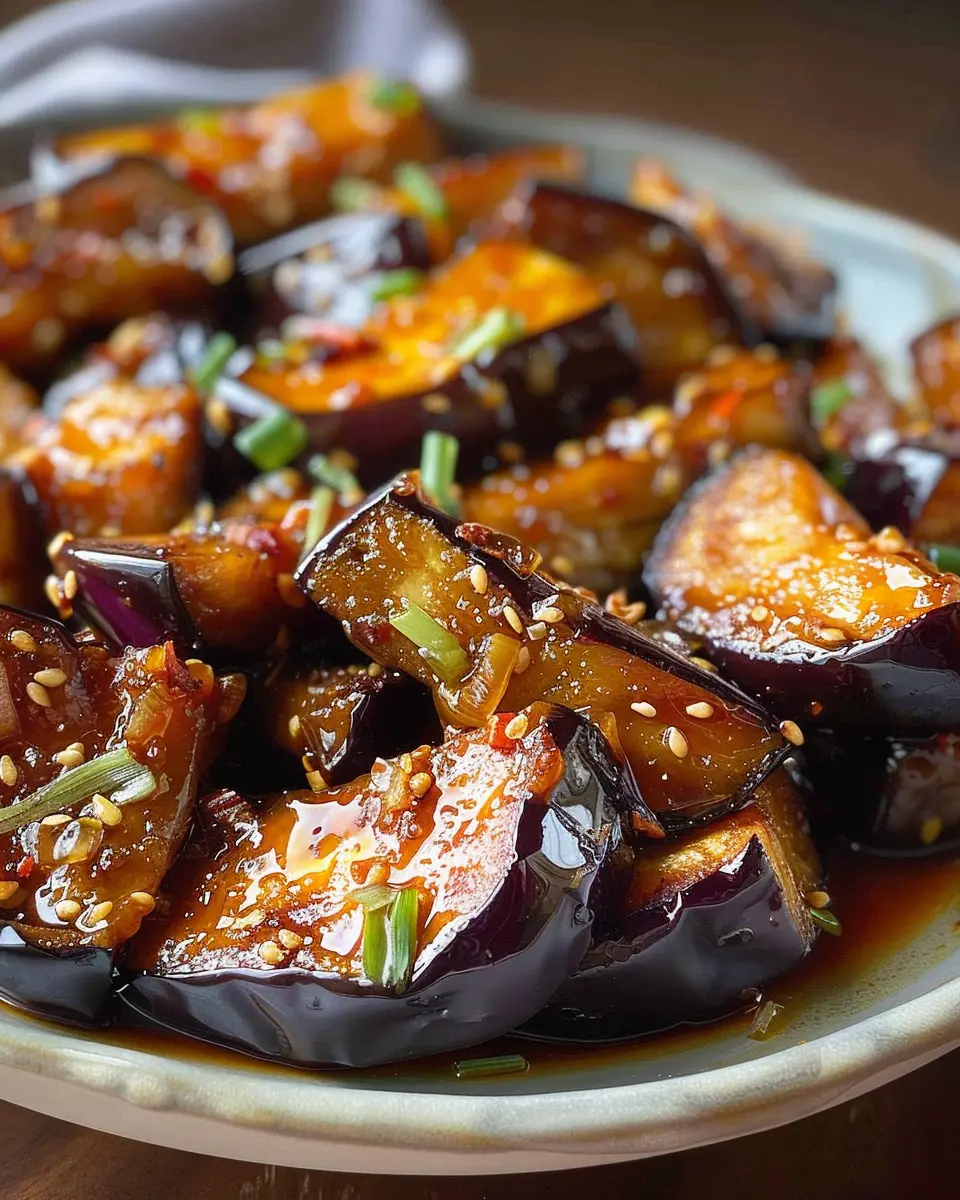
Introduction to Miso Glazed Eggplant
Discover the Joy of Homemade Food
In a world where takeout and fast food are just a tap away, cooking at home often gets sidelined. However, if you’ve ever experienced the joy of creating a delightful dish from scratch, you know that there’s something magical about it. Making miso glazed eggplant in your own kitchen is not just about preparing a meal; it’s about connecting with the ingredients and the process. When you cook with your own hands, you get to savor the satisfaction of your efforts, and the rich flavors of homemade dishes are something that restaurant meals often just can’t capture.
Let’s face it: trying to balance work, social engagements, and maybe even a little self-care can make cooking feel like a daunting task. But don’t let that overwhelm you! Preparing miso glazed eggplant is surprisingly simple and requires just a few ingredients. All you need is some fresh eggplant, a handful of pantry staples, and, of course, miso paste. Miso, a fermented soybean paste rich in umami, not only imparts a unique flavor but also offers health benefits like promoting gut health and providing a great source of protein. You can delve deeper into the health benefits of miso on reputable health websites like Healthline.
Imagine the taste of tender, caramelized eggplant, perfectly coated in that savory-sweet miso glaze. It’s a dish that can take center stage at any meal—whether as a main dish for a cozy dinner or a perfect side for your next gathering. And the best part? You can easily customize it to your liking! Add roasted sesame seeds for a nutty flavor or sprinkle some green onions for a fresh crunch.
Not only is preparing your own miso glazed eggplant an exciting culinary adventure, but it’s also a fantastic opportunity to impress your friends and family with a dish that showcases your cooking prowess. Check back for useful tips on how to elevate your cooking game, and get ready to enjoy a flavorful journey that you can savor bite by bite.
Ingredients for Miso Glazed Eggplant
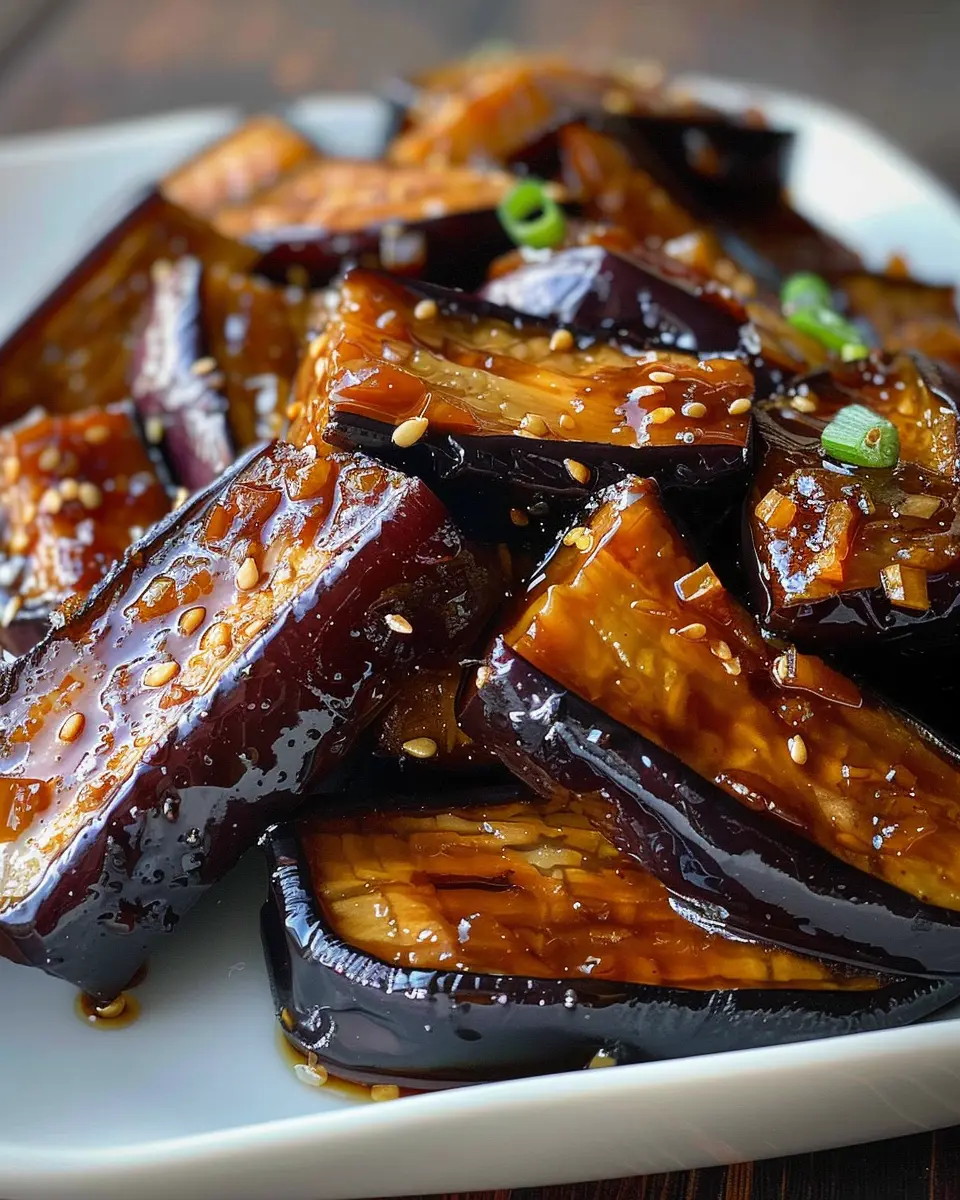
Creating a delightful miso glazed eggplant dish is easier than you might think. The key to that irresistible flavor lies in the right blend of ingredients. Here’s what you’ll need to gather:
- Eggplant: Aim for one or two medium-sized eggplants. Their rich texture is perfect for absorbing that delicious glaze.
- Miso Paste: Use white or red miso depending on your flavor preference. White miso tends to be sweeter, while red is more umami-rich.
- Soy Sauce: A splash of soy sauce will enhance the savory notes of the dish. You might consider tamari for a gluten-free option.
- Maple Syrup: This adds a hint of sweetness that balances the saltiness of the miso.
- Sesame Oil: A drizzle infuses a nutty aroma that elevates the dish.
- Green Onions: They add a fresh crunch for garnish.
- Sesame Seeds: Toss these on top for extra texture and visual appeal.
For more cooking tips and tricks, check out articles on foodpairing.com to learn how to get the most out of your ingredients! Happy cooking!
Preparing Miso Glazed Eggplant
Cooking a delicious dish can sometimes feel intimidating, but preparing miso glazed eggplant is not only simple but also incredibly rewarding! This dish is a fabulous way to incorporate rich umami flavors into your meals. Let’s get started!
Gather Your Ingredients
First things first, you’ll want to ensure you have all your ingredients on hand. Here’s what you’ll need:
- 2 medium-sized eggplants: Japanese or Chinese eggplants work beautifully, but regular eggplants will do too.
- 3 tablespoons miso paste: White miso for a lighter taste, or red miso for a bolder flavor.
- 2 tablespoons mirin: This sweet rice wine enhances the glaze perfectly.
- 1 tablespoon soy sauce: Opt for low-sodium if you’re watching your salt intake.
- 1 tablespoon sesame oil: This will add a nice nutty flavor.
- Sesame seeds and chopped green onions for garnish (optional).
Each ingredient adds a vital layer of flavor, and if you want to explore more about miso, the Miso Japan website offers valuable insights into its history and culinary uses.
Prepping the Eggplant
Once you have everything, the next step is to prep your eggplants. Begin by slicing them in half lengthwise to create those perfect little boats for your glaze. Here’s a quick method:
- Salt the eggplant: Sprinkle salt on the flesh side of each half and let them sit for about 20-30 minutes. This helps draw out excess moisture and bitterness.
- Rinse and pat dry: After salting, rinse the eggplants under cold water and then pat them dry with a towel.
Letting your eggplants sweat not only enhances their flavor but also improves the texture, making them perfect for absorbing the miso glaze!
Creating the Miso Glaze
Now it’s time for the fun part—making the miso glaze! Here’s how:
- Combine ingredients: In a small mixing bowl, whisk together the miso paste, mirin, soy sauce, and sesame oil until you have a smooth consistency.
- Taste and adjust: Feel free to tweak the ingredients a bit. If you prefer it sweeter, add a bit more mirin; for a saltier kick, a splash more soy sauce will do the trick.
This glaze is packed with flavor and will caramelize beautifully when roasted, giving the eggplants a luscious finish.
Roasting the Eggplant
Preheat your oven to 400°F (200°C). This is the perfect temperature to get that desirable roasted texture. Now, let’s get those eggplants ready:
- Place eggplants cut side up on a baking sheet: Make sure they’re spaced out to allow even roasting.
- Brush on the glaze: Generously brush your miso glaze over the surfaces of each eggplant half.
Roasting the eggplants will usually take about 25-30 minutes. You’ll know they’re done when they are tender and beautifully caramelized.
Glazing and Final Cooking
After your eggplants have roasted, it’s time for a final glaze!
- Add more miso glaze: Remove the eggplants from the oven and brush on another layer of that beautiful miso glaze.
- Return to the oven: Pop them back in for an additional 5-10 minutes to let everything meld together.
The combination of the eggplant’s tenderness with the rich, sweet-savory glaze will have your taste buds thanking you. Don’t forget to sprinkle sesame seeds and chopped green onions on top for added flavor and visual appeal!
Once you try this miso glazed eggplant, you won’t want to go back. Share your experience with friends or serve it as a stunning side dish at your next gathering. Happy cooking!
Variations on Miso Glazed Eggplant
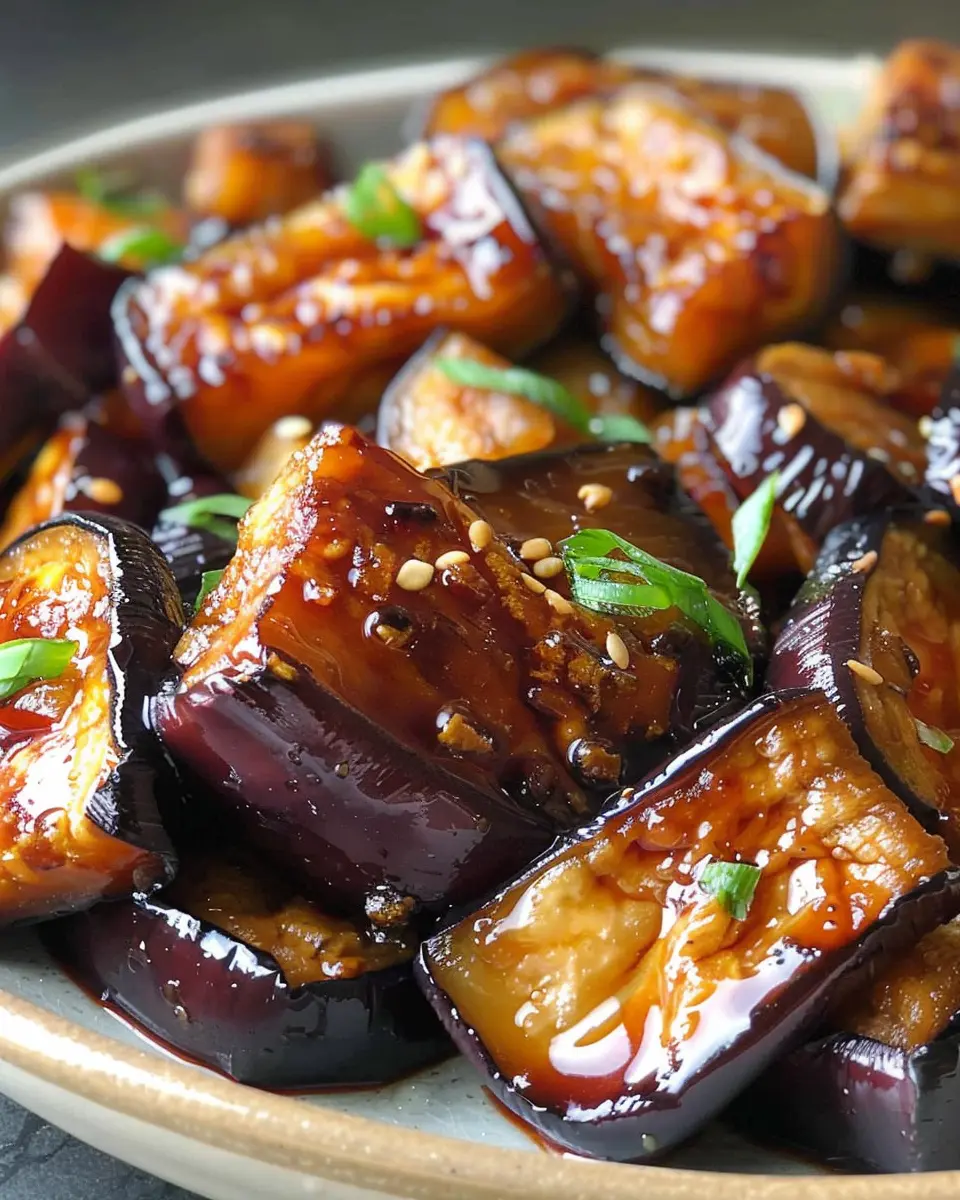
There’s something magical about miso glazed eggplant that makes it a versatile dish for various culinary adventures. If you’re looking to elevate this classic recipe further, consider trying these enticing variations that bring different flavors and textures to your table.
Miso Glazed Eggplant with Tofu
For a heartier take, try pairing miso glazed eggplant with tofu. Here’s how you can do it:
-
Ingredients:
-
1 block of firm tofu, pressed and cubed
-
Your favorite miso glaze
-
Optional veggies: bell peppers, zucchini, or snap peas
-
Instructions:
- Sauté tofu in a bit of sesame oil until golden.
- Add the sliced eggplant and toss them in the miso glaze until everything is coated and heated through.
- Serve with steamed rice or quinoa for a balanced meal.
This variation not only packs in protein but also makes for a delightful vegetarian option.
Spicy Miso Glazed Eggplant
If you prefer a bit of heat, then spicy miso glazed eggplant is just the ticket. Here’s how to add a fiery twist to your dish:
-
Ingredients:
-
1 tablespoon of chili paste or your favorite hot sauce
-
Sesame seeds for garnish
-
Scallions, chopped
-
Instructions:
- Mix the chili paste with your miso glaze before tossing in the eggplant.
- Roast as usual until tender and caramelized.
- Garnish with sesame seeds and chopped scallions to add crunch and flavor.
This variation is perfect for those who love a bit of kick in their meals. It’s a fun way to experiment with your palate, and who wouldn’t want to spice things up?
Exploring these variations not only enhances the flavor profile of miso glazed eggplant but also transforms a simple dish into a culinary feast. For more culinary tips, check out Serious Eats or Bon Appétit for inspiration on cooking with miso. Happy cooking!
Cooking Tips and Notes for Miso Glazed Eggplant
Creating miso glazed eggplant is not only about mastering the recipe; it’s also about enhancing your culinary skills. Here are some insightful tips to ensure your dish turns out flavorful and beautiful.
Choose the Right Eggplant
- Opt for Asian eggplants for a tender texture and milder flavor. However, globe eggplants can work in a pinch!
- Look for shiny, unblemished skin that feels firm to the touch.
Mastering the Miso Marinade
- For the glaze, use a good-quality miso paste—white miso is sweeter, while red miso has a bolder taste. Mixing them can create a depth of flavor.
- Consider adding a splash of rice vinegar or sesame oil to balance the sweetness and enhance the umami flavor.
Cooking Techniques
- Roasting the eggplant at a high temperature (around 425°F) caramelizes the sugars and gives a delightful texture.
- Broiling for the last couple of minutes can create a beautiful char and intensify the glaze.
Serving Suggestions
Serve your miso glazed eggplant on a bed of jasmine rice or quinoa to soak up all that delicious glaze. For added texture, toss in some chopped nuts or seeds.
For more inspiration, check out this insightful article on eggplant varieties and elevate your cooking game! Why not experiment next time with garnishing fresh herbs or chili flakes to give it an extra kick? Happy cooking!
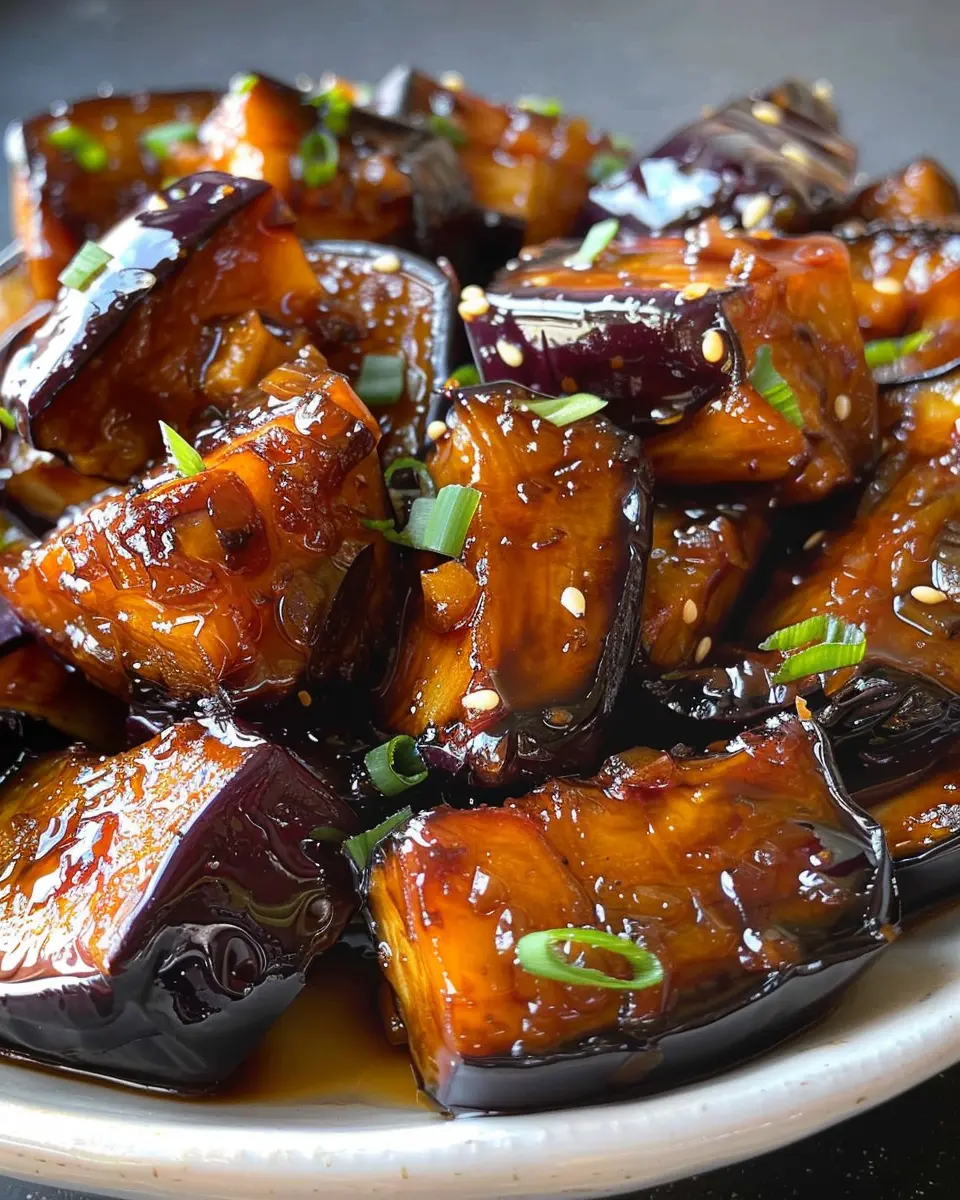
Serving Suggestions for Miso Glazed Eggplant
Miso glazed eggplant is a delightful dish that can be served in numerous creative ways. Here are some suggestions that will elevate your meal and impress your guests.
As a Main Course
If you’re looking for a robust vegetarian option, consider serving your miso glazed eggplant alongside a warm bowl of quinoa or brown rice. This adds a nutty flavor and is packed with protein.
Create a Flavorful Bowl
Transform your dish into a nourishing grain bowl! Layer sliced avocado, shredded carrots, and your choice of protein—like turkey bacon or chicken ham—for a deliciously balanced meal.
Pair with Fresh Greens
Serve your eggplant on a bed of sautéed greens, such as spinach or kale, drizzled with sesame oil for an Asian-inspired twist. This adds a beautiful contrast and enhances the overall flavor profile.
Accompanying Sauces
For an extra flavor kick, consider a drizzle of spicy chili sauce or a dollop of creamy tahini on the side. Both options beautifully complement the umami taste of the miso glazed eggplant.
Trying any of these suggestions not only showcases your culinary skills but also helps you explore the versatility of miso glazed eggplant. Discover more complementary sides here.
Time Breakdown for Miso Glazed Eggplant
Preparation Time
Getting your miso glazed eggplant ready is a breeze! You’ll spend about 10-15 minutes dicing the eggplant, mixing the miso glaze, and prepping any optional toppings. Having everything at hand makes it so much quicker—and let’s be honest, who doesn’t love a tidy kitchen?
Cooking Time
Once your prep is done, it’s time to cook! You’ll need roughly 20-25 minutes to roast the eggplant until it’s tender and perfectly caramelized, bringing out those delightful flavors of the miso glaze.
Total Time
In total, you’re looking at about 30-40 minutes from start to finish. This is a great dish to whip up on a busy weeknight or to impress guests without spending the entire day in the kitchen! For extra tips, you can check out this expert cooking guide.
Nutritional Facts for Miso Glazed Eggplant
When you’re whipping up a delicious dish like miso glazed eggplant, it’s handy to know the nutritional benefits. Let’s break it down:
Calories
A serving of miso glazed eggplant typically contains around 100 calories. This makes it a great option if you’re watching your calorie intake while still wanting to enjoy rich flavors.
Protein
You might be surprised that this dish offers approximately 2 grams of protein per serving. While it’s not a powerhouse protein source, pairing it with grains or legumes can give you a complete meal.
Sodium
With an average sodium content of about 800 mg—largely from miso—it’s a good idea to watch your overall salt intake, especially if you’re concerned about hypertension. For more tips on managing sodium, check out the American Heart Association.
By integrating miso glazed eggplant into your meal planning, you can enjoy a unique blend of taste and nutrition! Plus, it’s an easy and flavorful way to incorporate more veggies into your diet.
FAQs About Miso Glazed Eggplant
Can I use a different type of eggplant?
Absolutely! While traditional Japanese eggplant is commonly used for miso glazed eggplant, you can explore other varieties like globe or Italian eggplant. Just keep in mind that different types may have varying flavors and textures. If you opt for a larger eggplant, consider slicing it into smaller pieces to ensure even cooking and better absorption of the savory miso glaze.
How do I store leftover miso glazed eggplant?
Storing leftover miso glazed eggplant is simple! Allow it to cool to room temperature, then place it in an airtight container. You can keep it in the refrigerator for up to three days. Reheating can be done in the microwave or by quickly sautéing it in a pan to maintain its delicious flavor. For further tips on food storage, feel free to check out resources from the USDA here.
What can I serve with miso glazed eggplant?
Miso glazed eggplant is versatile and pairs beautifully with various dishes. Consider serving it alongside:
- Steamed rice or quinoa for a hearty meal.
- Sautéed greens like spinach or bok choy for additional nutrients.
- Grilled chicken or turkey bacon, which complements the umami flavors well.
You can also create a balanced Buddha bowl by layering the miso glazed eggplant with assorted veggies and a protein of your choice. If you’re looking for more ideas, browse popular food blogs that focus on Asian-inspired dishes for inspiration!
Conclusion on Miso Glazed Eggplant
In wrapping up our exploration of miso glazed eggplant, it’s clear that this dish is both delicious and versatile. Rich in flavor and health benefits, this eggplant recipe can easily become a staple in your home cooking.
You can enjoy it as a stand-alone meal, pair it with rice or quinoa, or even use it as a filling for wraps. Plus, with the nutritious punch from the miso and the umami that the eggplant brings, you’re not just delighting your taste buds but also nourishing your body.
So why not give miso glazed eggplant a try? Experiment with flavors, and make it your own! For more inspiration, check out Nutrition.gov for additional health tips and recipes, or dive into the world of vegan cooking at VegNews.com. Happy cooking!
PrintMiso Glazed Eggplant: A Simple and Savory Delight for All
A delicious miso glazed eggplant recipe that’s easy to prepare and perfect for any meal.
- Prep Time: 10 minutes
- Cook Time: 30 minutes
- Total Time: 40 minutes
- Yield: 4 servings
- Category: Vegetarian
- Method: Oven Roasting
- Cuisine: Japanese
- Diet: Vegan
Ingredients
- 2 medium eggplants
- 1/4 cup miso paste
- 2 tablespoons soy sauce
- 2 tablespoons sesame oil
- 1 tablespoon maple syrup
- 1 tablespoon rice vinegar
Instructions
- Preheat your oven to 400°F (200°C).
- Slice the eggplants in half lengthwise and score the flesh in a diamond pattern.
- In a bowl, mix the miso paste, soy sauce, sesame oil, maple syrup, and rice vinegar until smooth.
- Brush the miso mixture generously over the eggplant halves.
- Place the eggplants on a baking sheet and roast for 25-30 minutes until tender and caramelized.
- Serve warm, garnished with sesame seeds and chopped green onions.
Notes
- For a spicier version, add a teaspoon of chili paste to the miso mixture.
- Using Japanese eggplants can enhance the flavor and texture.
Nutrition
- Serving Size: 1 half of an eggplant
- Calories: 150
- Sugar: 5g
- Sodium: 280mg
- Fat: 9g
- Saturated Fat: 1g
- Unsaturated Fat: 7g
- Trans Fat: 0g
- Carbohydrates: 15g
- Fiber: 5g
- Protein: 4g
- Cholesterol: 0mg