
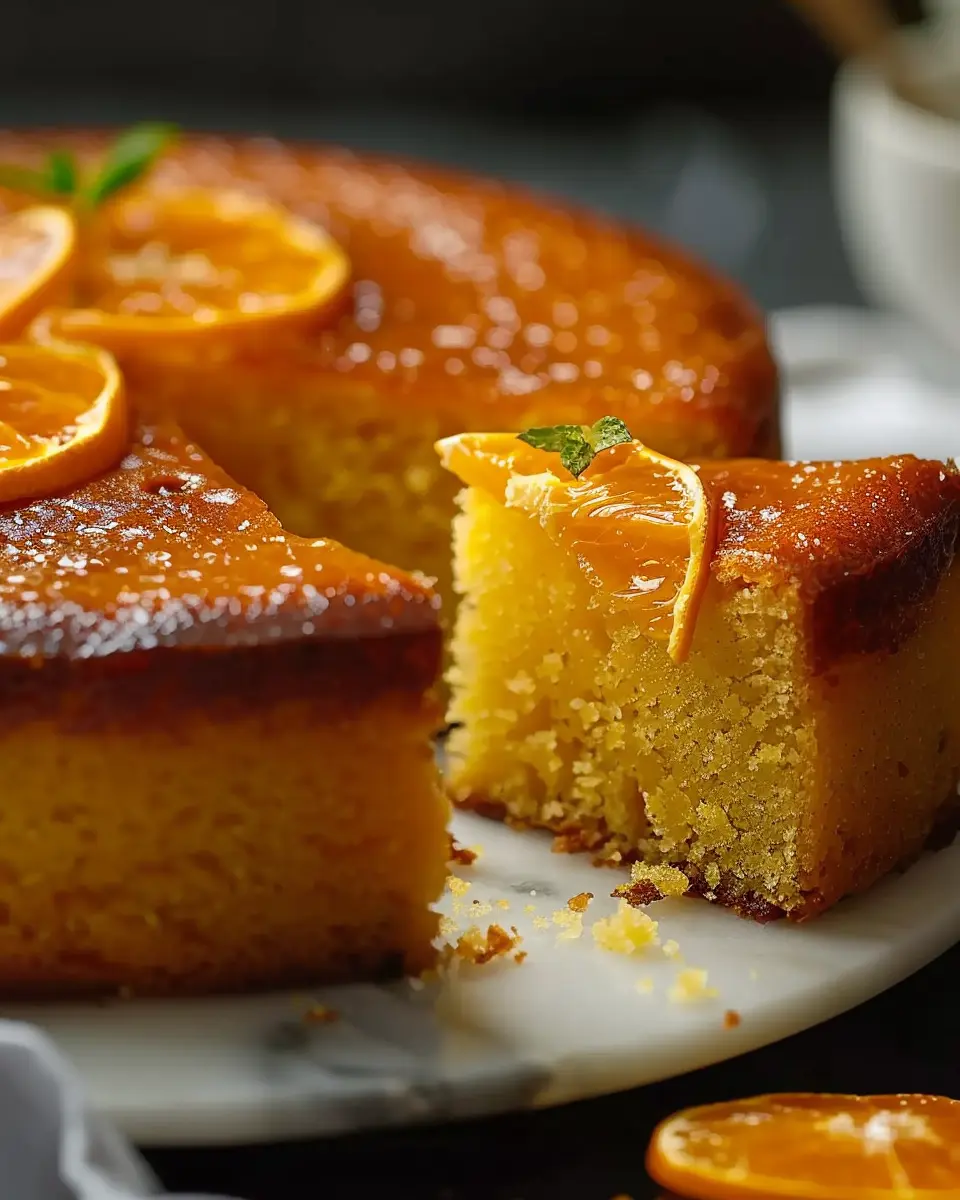
Introduction to Persian Orange Cake
Discover the delights of Persian cuisine
If you haven’t yet ventured into Persian cuisine, you’re in for a treat! Known for its rich flavors, vibrant colors, and unique ingredient combinations, Persian food can be an unforgettable experience. At the heart of it all is a beautiful harmony between sweet and savory. Isn’t it fascinating how ancient cultures have influenced modern palates? Take, for instance, the use of aromatic spices, fresh herbs, and fruits like oranges, which bring a refreshing zest to the dishes.
When we think of Persian desserts, one standout option that brings a burst of citrusy sunshine is the Persian Orange Cake. This delightful treat is a staple in Persian households, often served during special occasions or simply enjoyed with a cup of tea. Intrigued? You should be! The cake effortlessly captures the essence of Persian baking, using wholesome ingredients like almond flour, eggs, and those beautifully fragrant oranges.
Why this orange cake stands out
So, what makes this Persian Orange Cake recipe truly special? First and foremost, it’s the stunning use of whole oranges—skins and all! This gives the cake a moist texture and an explosion of citrus flavor that’s simply irresistible. Plus, it’s naturally gluten-free, making it a perfect option for a variety of dietary needs.
Here are a few reasons why this cake deserves a spot in your baking repertoire:
- Simplicity: With minimal ingredients, it’s easy to whip up even on a busy weeknight.
- Versatility: Serve it as a delightful dessert at your dinner party or a sweet snack for your afternoon tea.
- Aromatic spices: Sprinkle in a bit of cardamom or rosewater for added complexity and a nod to traditional Persian flavors.
In your journey to explore Persian cuisine, this Persian Orange Cake is more than just a recipe—it’s a delicious representation of a culture steeped in history and hospitality.
For a deeper dive into Persian flavors, check out resources from the Institute of Persian Studies or explore Iranian cooking blogs for more delightful inspirations!
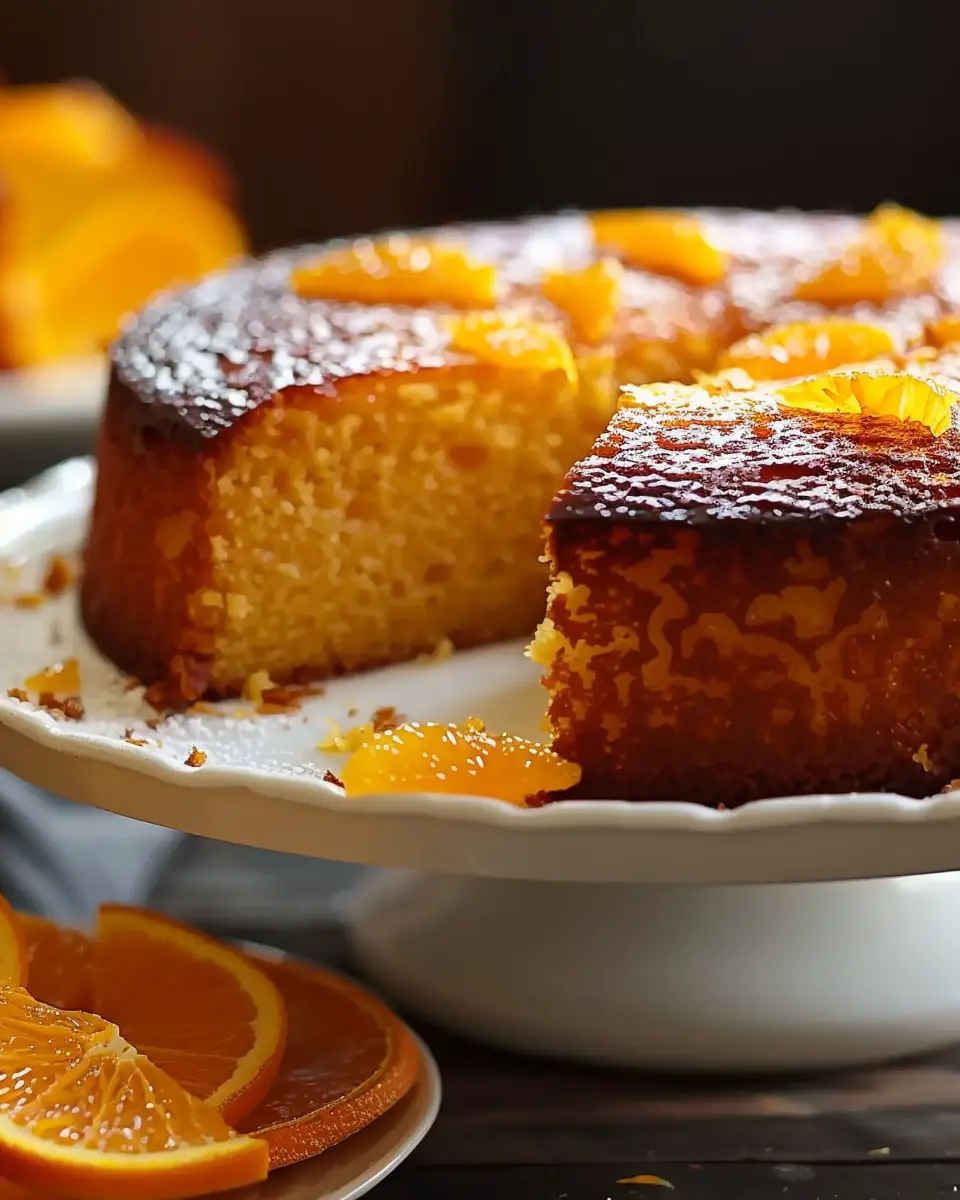
Ingredients for Persian Orange Cake
Essential ingredients for success
Creating the perfect Persian orange cake recipe starts with the right ingredients. Here’s what you’ll need:
- Oranges: Fresh, juicy oranges are the star of the show. Use both zest and juice for maximum flavor.
- Sugar: Granulated sugar adds sweetness, balancing the citrus notes beautifully.
- Eggs: These are crucial for the cake’s structure and moisture.
- Almond flour: This provides a lovely nutty flavor and helps keep the cake moist. It’s a traditional choice in Persian baking.
- Baking powder: For that light and fluffy texture.
- Butter: A bit of melted unsalted butter enhances richness.
- Yogurt or sour cream: Adds a delightful tang while keeping the cake tender.
Optional enhancements for flavor and texture
Want to take your Persian orange cake to the next level? Consider these enhancements:
- Spices: A pinch of cardamom or cinnamon can add warmth and depth.
- Nuts: Chopped pistachios or hazelnuts lend a lovely crunch.
- Glaze: A simple orange syrup or glaze can amplify the citrus flavor and add visual appeal.
With these ingredients and a few optional touches, you’ll be well on your way to baking a delightful Persian orange cake! For more tips and ideas, check out BBC Good Food for inspiration.
Preparing Persian Orange Cake
Creating a delicious Persian Orange Cake is not just about following a simple recipe—it’s an experience filled with delightful aromas and vibrant flavors. This cake, characterized by its moist texture and refreshing orange taste, is perfect for any gathering or just as a treat for yourself. Let’s dive into the preparation steps that will guide you on this sweet journey.
Preheat the oven and prepare your pan
Start by getting your kitchen ready. Preheat your oven to 350°F (175°C) to ensure it’s hot and ready for baking. While the oven warms up, grab a round cake pan (approximately 9 inches) and grease it well with butter or cooking spray. To prevent any sticking, you can also opt to line the bottom with parchment paper. This little tip can save you from the dreaded stuck cake mishap later!
Cook the oranges until soft
Next, you’ll want to take two medium-sized oranges and place them in a pot with enough water to cover them. Bring the water to a boil and let the oranges simmer for about 30 minutes. This process helps soften the oranges and releases their natural flavors. You can learn more about the science behind boiling fruits on reliable sites like Healthline.
Create the orange puree
Once the oranges are soft, it’s time for some fun! Remove them from the pot and let them cool for a bit before handling. Cut them in half, discard any seeds, and blend the whole oranges—skin and all—until smooth. This vibrant orange puree will be the star of your Persian orange cake recipe, adding depth and moisture to the batter.
Mix the wet ingredients
In a mixing bowl, combine the orange puree with four eggs, one cup of sugar, and half a cup of neutral oil (like canola or vegetable oil). Whisk everything together until well-mixed and slightly frothy. This step is crucial as it incorporates air into the mixture, ensuring a light and fluffy cake texture.
Combine dry ingredients with the wet mixture
In a separate bowl, whisk together one and a half cups of all-purpose flour, a tablespoon of baking powder, and a pinch of salt. Gradually add this dry mix to your wet ingredients, stirring gently until just combined. Be careful not to overmix here! The batter should be smooth but might have a few lumps—that’s perfectly fine.
Pour and bake the cake
Pour your cake batter into the prepared pan, smoothing out the top with a spatula. Place the pan in the preheated oven and bake for about 45-50 minutes or until a toothpick inserted in the center comes out clean. While it’s baking, you’ll be able to smell the delightful scent of oranges filling your home, which is a sure sign that something delicious is in progress.
Cool and prepare for serving
After baking, remove the cake from the oven and let it cool in the pan for about 15 minutes. Then, carefully transfer it to a wire rack to cool completely. This is the perfect time to make a simple syrup or glaze if you’re feeling adventurous! A mixture of orange juice and sugar drizzled on top can elevate your cake to the next level.
Now that your Persian Orange Cake has cooled completely, it’s ready to be sliced and served. Pair it with a dollop of whipped cream or sprinkle some powdered sugar for an extra touch. Whether it’s for a gathering or a simple treat on your coffee break, this cake is sure to impress!
And there you have it—a flavorful journey through the steps to create a stunning Persian Orange Cake. Happy baking!
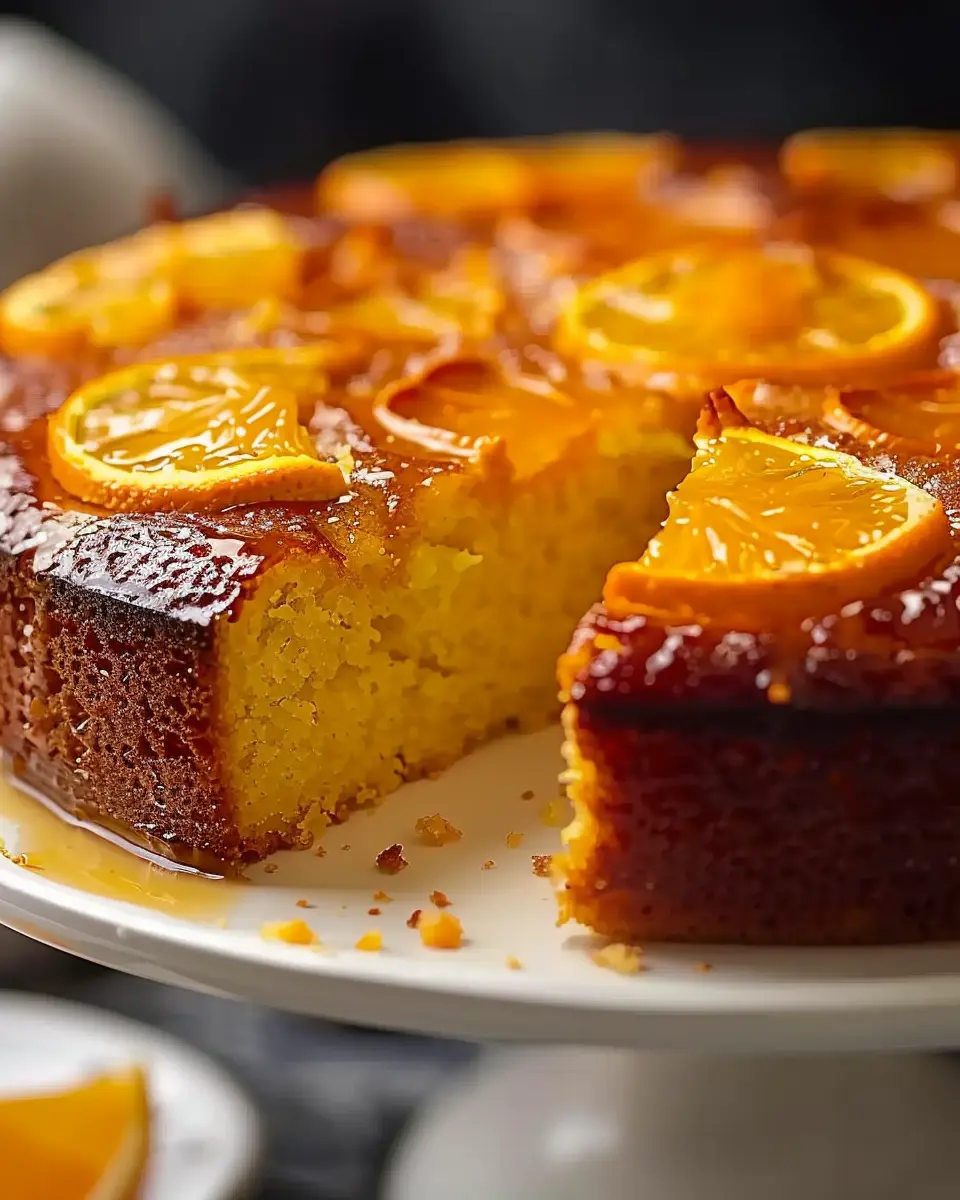
Variations on Persian Orange Cake
Try a tangerine twist
If you’re a fan of the classic Persian orange cake recipe, why not shake things up a bit with tangerines? These small citrus fruits offer a sweeter, less tangy flavor that can add a delightful twist to the traditional recipe. Simply substitute the oranges with freshly squeezed tangerine juice and zest for an enticing aroma and flavor that’s sure to impress. Not only does this variation brighten the cake visually, but the sweetness will cater to those who prefer a milder citrus note. Plus, tangerines are readily available and often a seasonal favorite, making them a perfect choice for your next baking adventure.
Enhance with additional spices
Another fantastic way to elevate your Persian orange cake recipe is by introducing extra spices. Traditional Persian cakes often incorporate aromatic spices such as cardamom and cinnamon. A pinch of cardamom in your batter not only complements the citrus notes but also brings an exotic flair to the cake. You could also consider adding a hint of ground nutmeg or even a touch of ginger powder for an unexpected kick. The result? A cake that is bursting with flavor and warmth, perfect for cozy gatherings or as a comforting treat on a chilly evening.
Experimenting with variations like these not only allows you to make the recipe your own but also enhances your baking skills. For more inspiration, check out expert tips from culinary resources like Bon Appétit or Serious Eats to help you make your Persian orange cake even more delicious and unique!
Baking Notes for Persian Orange Cake
Tips for Achieving Moistness
To make your Persian Orange Cake irresistibly moist, consider the following tips:
- Use Fresh Oranges: Freshly juiced oranges not only enhance the flavor but also contribute to the cake’s moisture.
- Incorporate Yogurt or Sour Cream: Adding these ingredients helps retain moisture for a tender crumb. Just a cup can make a big difference!
- Avoid Overbaking: Keep an eye on your cake, as overbaking can lead to a dry texture. A toothpick should come out clean but not overly dry.
Storing Your Cake for Freshness
To enjoy your Persian Orange Cake at its best, proper storage is key:
- Wrap and Chill: Once cooled, wrap your cake in plastic wrap to keep it moist. Store it in the refrigerator for optimal freshness.
- Freezing: If you want to preserve your cake for later, slice it and freeze individual pieces. Just thaw at room temperature before serving.
For more tips on keeping your baked goods fresh, consider checking out The Kitchn or BBC Good Food. Happy baking!
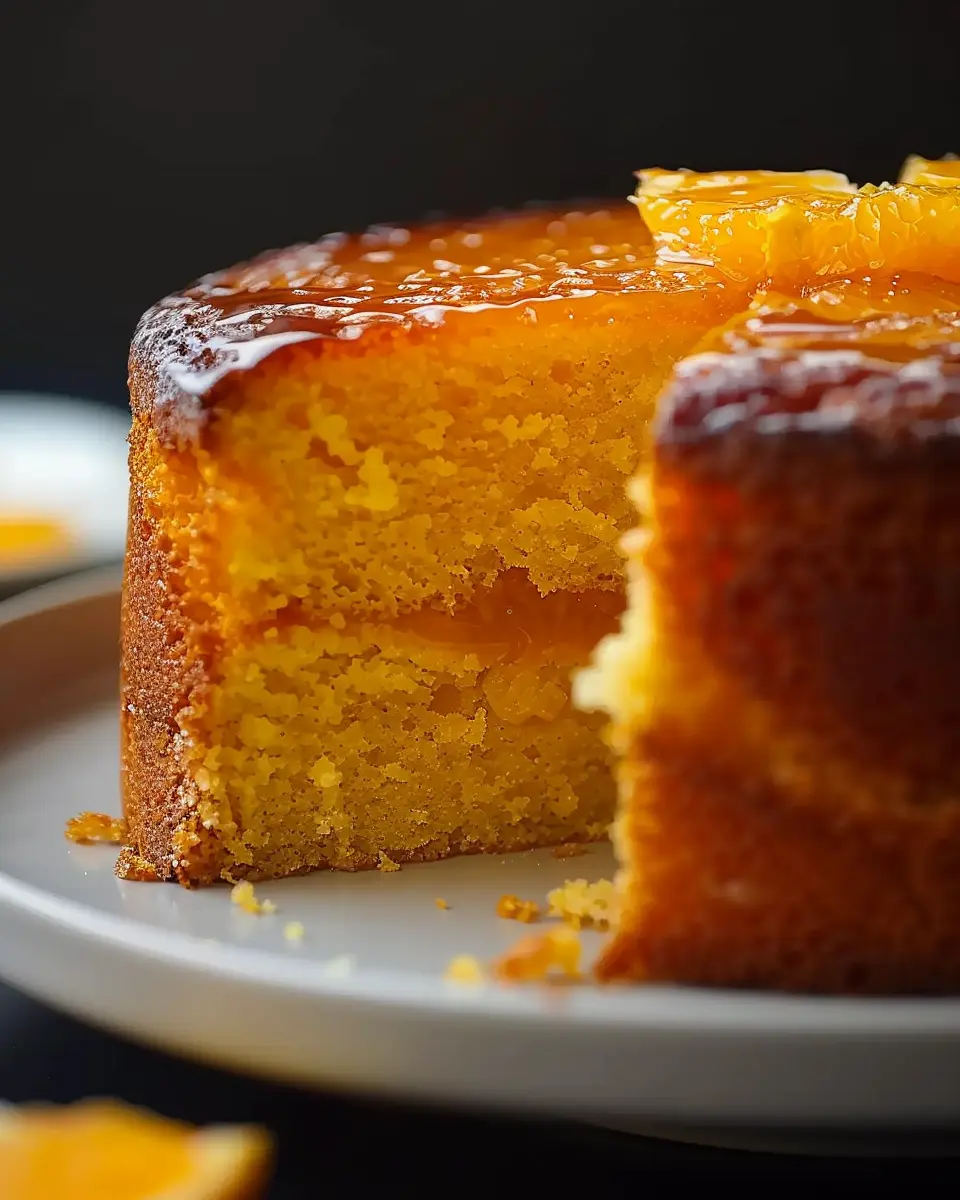
Serving suggestions for Persian Orange Cake
Enjoying it as a dessert or tea-time snack
The Persian Orange Cake is truly versatile, serving beautifully both as a dessert and as a delightful tea-time snack. Its moist and aromatic texture makes it a perfect finale to a cozy dinner with friends or a lovely treat during your afternoon break. Imagine slicing into that fragrant cake, revealing those fresh orange flavors that dance on your palate! For a truly indulgent experience, serve it with a dollop of whipped cream or a scoop of vanilla ice cream, allowing the cold creaminess to perfectly complement the warm, citrusy cake.
Pairing ideas for beverages
To elevate your Persian Orange Cake recipe, consider pairing it with some thoughtfully chosen beverages. A steaming cup of tea—perhaps a floral chamomile or a refreshing mint tea—works harmoniously with the cake’s flavors. Alternatively, you could opt for a citrus-infused iced tea to enhance the orange notes in the cake. For a non-caffeinated option, a homemade lemon-lavender soda can provide a lovely fizzy contrast.
For further inspiration on drink pairings, check out this guide on perfect tea and dessert pairings. Embrace the joys of sharing food with others, and don’t forget to relish the experience!
Time details for Persian Orange Cake
When you’re diving into our Persian Orange Cake recipe, understanding the timing can make all the difference. Let’s break it down:
Preparation time
Getting organized is key! You’ll need approximately 20 minutes to preheat your oven and gather your ingredients. This includes zesting the oranges and mixing your batter to perfection.
Baking time
Your cake will need about 45 to 50 minutes in the oven. Keep a close watch so it doesn’t overbake; a toothpick should come out clean when inserted into the center.
Total time
All in all, plan for around 1 hour and 10 minutes from start to finish. With these times in mind, you’ll be well on your way to enjoying a delicious slice of Persian Orange Cake before you know it! For more insights on baking techniques, you might find BBC Good Food helpful in your kitchen adventures.
Nutritional Information for Persian Orange Cake
Calories per Serving
A delightful slice of Persian Orange Cake typically contains around 250-300 calories. This makes it a wonderfully indulgent treat without completely derailing your daily calorie goals. Enjoying a slice with a cup of tea or coffee can transform an ordinary afternoon into a special occasion.
Breakdown of Macros
When it comes to understanding the Persian Orange Cake recipe on a deeper level, let’s break down the macros:
- Sugar: Approximately 22 grams, primarily sourced from the natural sweetness of oranges and sugar used in the recipe.
- Fat: About 10 grams, which largely comes from the oil or butter – essential for that moist, tender crumb we all love.
- Protein: Around 3-4 grams, courtesy of eggs and any additional nut flours you might choose to incorporate.
For more detailed nutritional insights, check out sources like the USDA FoodData Central or nutrition-dedicated sites like Healthline. Keeping track of these macros can help you balance your diet without sacrificing flavor! Would you consider this cake a guilt-free indulgence?
FAQs about Persian Orange Cake
Can I make this cake in advance?
Absolutely! One of the delightful aspects of this Persian orange cake recipe is that it keeps well. You can bake the cake up to two days ahead of your event. To store it properly, let it cool completely, then wrap it in plastic wrap or place it in an airtight container. If you want to maintain its freshness, consider freezing it! Just ensure it’s well-wrapped, and it can last up to a month in the freezer. Thaw it at room temperature before serving, and it’ll be as delicious as the day it was made.
How do I know when it’s baked correctly?
The key to perfectly baked Persian orange cake lies in knowing when to take it out of the oven. Let’s check for a few signs:
- Golden Brown: Look for a beautiful golden-brown color on top.
- Spring Back: Press gently on the center; it should spring back without leaving an indentation.
- Toothpick Test: Insert a toothpick into the center. If it comes out clean or with just a few crumbs attached, your cake is done.
Trust your instincts—if it smells heavenly, it’s likely time to check!
What should I do if I don’t have cardamom?
If you find yourself without cardamom, don’t worry! While it does add a unique flavor to this cake, you can substitute it with ground cinnamon or allspice. Both will introduce warmth and aroma, complementing the orange’s brightness. You can also use a pinch of nutmeg for a slightly different twist. Experimenting with these substitutes can lead to exciting flavor variations, so feel free to get creative!
For more tips and variations, check out Serious Eats or BBC Good Food!
Conclusion on Persian Orange Cake
Recap the joys of homemade baking
Baking at home is not just about the finished product; it’s an experience filled with aromatic memories and the delightful anticipation of indulging in something sweet. Our Persian Orange Cake recipe invites you to explore the unique flavors of oranges, almond flour, and fragrant spices—all wrapped up in one delicious creation. Imagine the joy of serving a cake that you’ve made from scratch, sharing stories with friends and family as you all savor every last bite.
Encouragement to try the recipe at home
So why not roll up your sleeves and give this Persian Orange Cake a whirl? It’s a straightforward recipe that offers a little wiggle room for creativity, allowing you to add your own personal touch. Whether you’re a seasoned baker or just starting out, this cake is sure to impress. Trust me, the satisfaction of pulling a beautifully baked cake from your oven is worth every minute. Plus, homemade treats have that special ability to connect us, creating cherished moments in our lives. Ready to make your kitchen smell incredible? Let’s get baking! For more baking inspiration, check out BBC Good Food for a wealth of recipes to explore.
PrintPersian Orange Cake Recipe: Easy and Refreshingly Zesty Delight

Enjoy the delightful flavors of this Persian Orange Cake, a refreshing and zesty treat perfect for any occasion.
- Prep Time: 20 minutes
- Cook Time: 45 minutes
- Total Time: 1 hour 5 minutes
- Yield: 8 servings
- Category: Desserts
- Method: Baking
- Cuisine: Persian
- Diet: Gluten-Free
Ingredients
- 2 large oranges
- 1 cup sugar
- 1 cup almond flour
- 3 large eggs
- 1 teaspoon baking powder
- 1/2 teaspoon salt
- 1/2 cup olive oil
- 1 teaspoon vanilla extract
Instructions
- Preheat your oven to 350°F (175°C).
- In a blender, purée the whole oranges until smooth.
- In a mixing bowl, combine the sugar, almond flour, eggs, baking powder, and salt.
- Add the orange purée, olive oil, and vanilla extract to the mixture and mix well.
- Pour the batter into a greased cake pan.
- Bake for 40-45 minutes or until a toothpick comes out clean.
- Allow cooling before serving.
Notes
- This cake can be enjoyed plain or with a dusting of powdered sugar.
- For extra flavor, consider adding a little orange zest to the batter.
Nutrition
- Serving Size: 1 slice
- Calories: 250
- Sugar: 20 grams
- Sodium: 200 milligrams
- Fat: 15 grams
- Saturated Fat: 2 grams
- Unsaturated Fat: 10 grams
- Trans Fat: 0 grams
- Carbohydrates: 30 grams
- Fiber: 2 grams
- Protein: 4 grams
- Cholesterol: 70 milligrams