
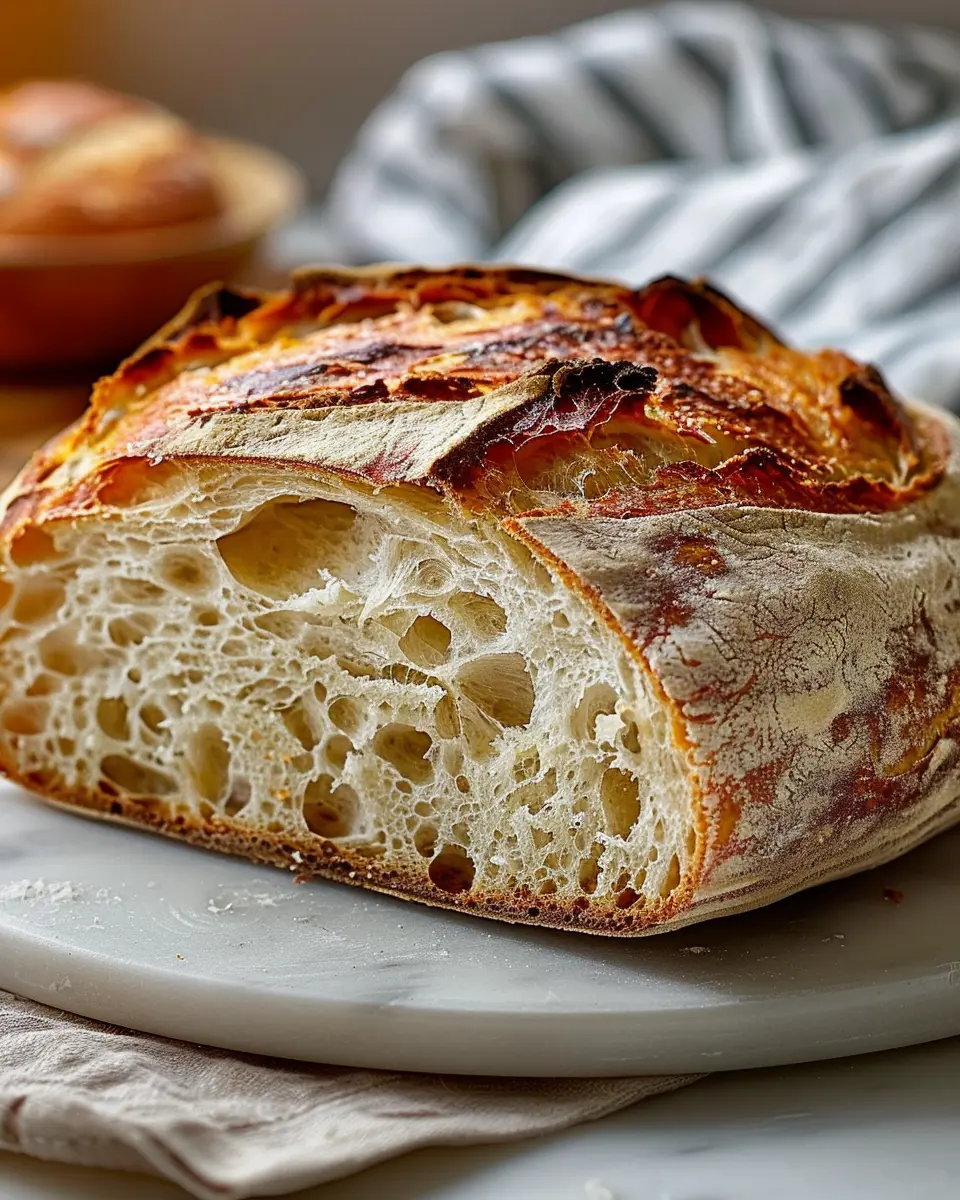
Introduction to Sourdough Bread
Sourdough bread has garnered quite the following in recent years, especially among young professionals navigating the hustle and bustle of everyday life. It’s not just a trendy option; it’s a lifestyle choice. Why is sourdough the ultimate solution for young professionals? Let’s dive into the basics.
First off, the allure of sourdough bread lies in its simplicity and rich flavor. Made with just three basic ingredients—flour, water, and salt—this rustic loaf is fermented with wild yeast, giving it that unique tang that sets it apart from regular bread. According to experts, the fermentation process not only enhances the flavor but also makes the bread easier to digest and beneficial for gut health, which is a fantastic bonus for those busy professionals in need of a health boost.
Moreover, sourdough bread can be a creative outlet. Imagine coming home after a long day and kneading your own dough. It’s a great way to unwind and connect with your food. Not to mention, nothing beats the aroma of freshly baked bread wafting through your kitchen. Baking sourdough might seem daunting at first, but with patience and practice, it can become an enjoyable ritual, adding a fulfilling layer to your week.
Why Sourdough Bread is a Game Changer for Young Professionals
-
Health Benefits: As mentioned, the fermentation process improves digestibility and nutrition. Many find that they feel less bloated after enjoying sourdough compared to conventional bread.
-
Time Management: While it does require a bit of patience (that starter really deserves some TLC), sourdough can fit into a busy schedule. The long fermentation can happen overnight or during the day while you tackle work tasks.
-
Sustainability: When you bake sourdough, you’re often using just a few raw ingredients, reducing packaged goods and supporting a more sustainable lifestyle.
Because sourdough represents a blend of nourishment, creativity, and community, it’s easy to see why it resonates with young professionals. So, are you ready to unleash your inner baker? Check out this comprehensive guide for making your own sourdough bread and join the movement toward wholesome, homemade goodness.
If you want to learn more about sourdough science, consider visiting resources like the King Arthur Baking Company or Breadtopia, where you’ll find expert tips and community insights.
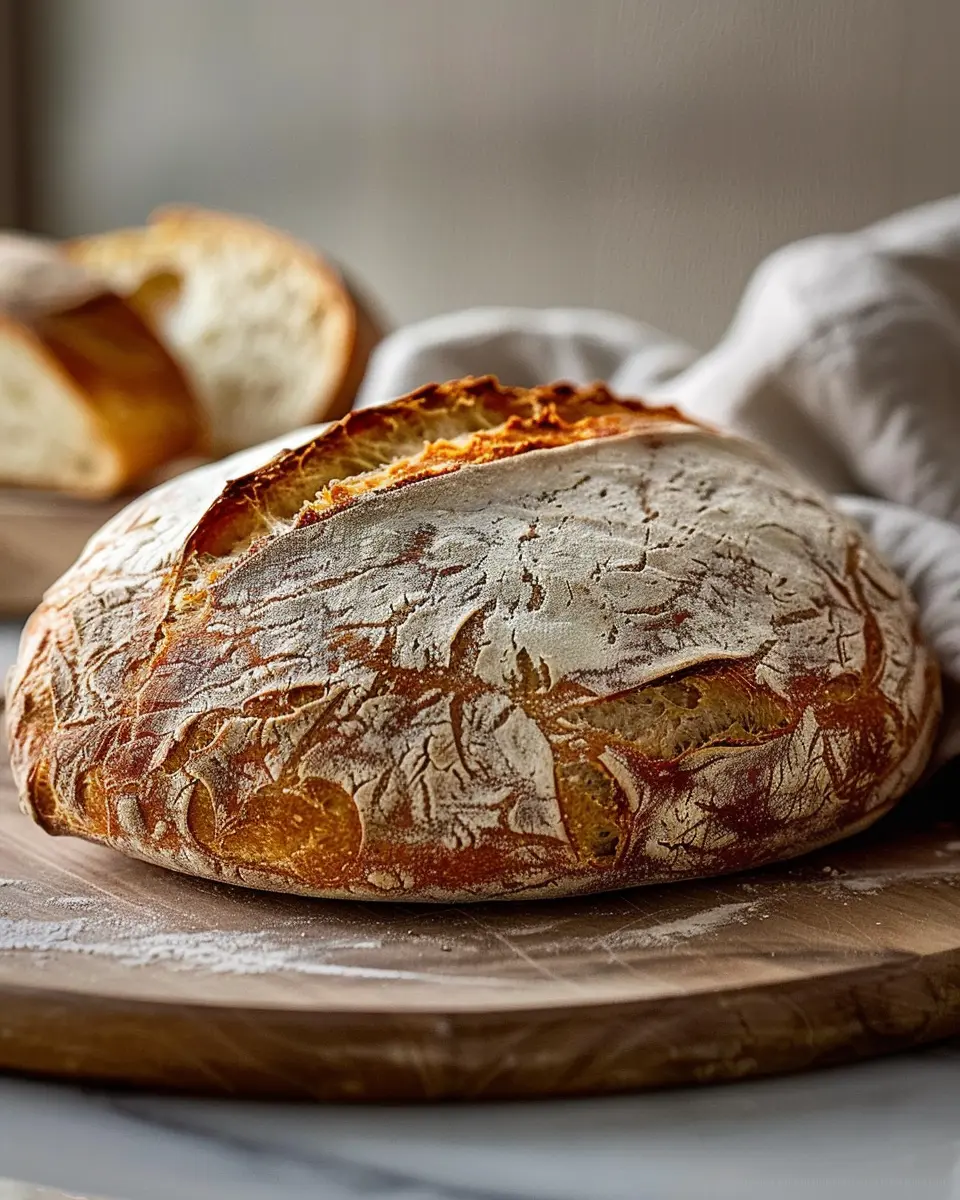
Ingredients for Sourdough Bread
Simple ingredients for amazing flavor
When it comes to making sourdough bread, simplicity is often the secret to success. You don’t need a long list of fancy ingredients—just a few basics to start your baking journey. Here’s what you’ll need:
- Flour: Typically, bread flour is the go-to for its high protein content, but feel free to experiment with whole wheat or rye for an earthy twist.
- Water: Quality matters! Use filtered water to ensure your sourdough culture thrives.
- Salt: A crucial ingredient for flavor and strength, it helps develop the dough’s structure. Opt for sea or kosher salt for the best results.
- Sourdough starter: This is your magical ingredient. A healthy starter, preferably fed and bubbly, infuses the bread with that characteristic tangy flavor. If you don’t have one yet, check out the King Arthur Baking website for how to create your own.
Each ingredient contributes to the delicious, complex flavors you’ll crave. With just these essentials, you’re on your way to baking an impressive loaf of sourdough bread that friends and family will love!
Step-by-Step Preparation of Sourdough Bread
Making sourdough bread from scratch is a rewarding and enjoyable experience that connects you to culinary traditions. The process may seem daunting at first, but with a little patience and practice, you’ll find it to be a delightful ritual. Let’s break it down step-by-step, shall we?
Combine Flour and Warm Water
Begin by mixing together 500 grams of all-purpose flour with 350 grams of warm water in a large mixing bowl. The warmth of the water helps to activate the enzymes in the flour, which is crucial for developing flavor. As you mix, keep an eye out for any dry bits; you want everything to come together into a shaggy, wet dough. Note that using high-quality flour can elevate your sourdough bread game significantly — consider using organic or stone-ground flour for added flavor.
Rest the Dough
Once you have your dough combined, cover the bowl with a clean kitchen towel or plastic wrap. Let it rest for about 30 minutes. This resting phase, known as autolyse, allows the flour to fully hydrate and start breaking down gluten, making your dough easier to work with later.
Add Sourdough Starter and Salt
After the resting period, it’s time to incorporate your active sourdough starter (around 100 grams) and 10 grams of salt. Gently pinch and fold the dough until the starter and salt are fully incorporated. Don’t worry if it’s sticky; you can always flour your hands a little. This step is crucial because the salt enhances the flavor and strengthens the dough’s structure.
Stretch and Fold the Dough
Now comes the fun part: stretch and fold! Over the next 4 hours, every 30 minutes, take one side of the dough, stretch it up, and fold it over itself. Rotate the bowl and repeat this process on all four sides. This technique helps develop the gluten structure and gives the dough strength. If you’re interested in visual techniques, there are plenty of tutorials online that showcase this method effectively.
Let the Dough Rise
After completing your stretch and fold routine, leave the dough to rise at room temperature until it has roughly doubled in size. This can take 4 to 6 hours, depending on the ambient temperature and the strength of your starter. A warmer environment will speed up the rising process. Observation is key; you’re looking for a puffy, bubbly dough.
Shape the Loaf
Once the dough has risen, it’s time to shape it. Lightly flour your work surface and gently turn the dough out. Shape it into a round or oval loaf by folding the edges of the dough toward the center and then flipping it over. Use your hands to create surface tension by pulling the loaf toward you against the work surface. This step is essential for achieving a nice rise in the oven.
Refrigerate the Dough
After shaping, place your dough seam-side up in a well-floured proofing basket or bowl. Cover it with a cloth and pop it in the fridge for at least 12 hours overnight. This slowing down of fermentation enhances flavor and texture — think of it as the dough getting its beauty sleep!
Bake the Sourdough
Preheat your oven to 450°F (232°C) about 30 minutes before you’re ready to bake. If you have a Dutch oven, this is a fantastic tool to create a steamy environment for your sourdough bread. Once the oven is hot, score the top of your loaf with a sharp knife to allow it to expand during baking. Carefully transfer the loaf into the Dutch oven and cover it with the lid. Bake for 30 minutes, then remove the lid and bake for an additional 15-20 minutes until it’s golden brown.
Now, enjoy your homemade sourdough bread! Don’t forget to let it cool completely before slicing — this way, you’ll get that perfect crumb and crust.
For more great baking tips, check out King Arthur Baking for a wealth of resources and community advice. Happy baking!
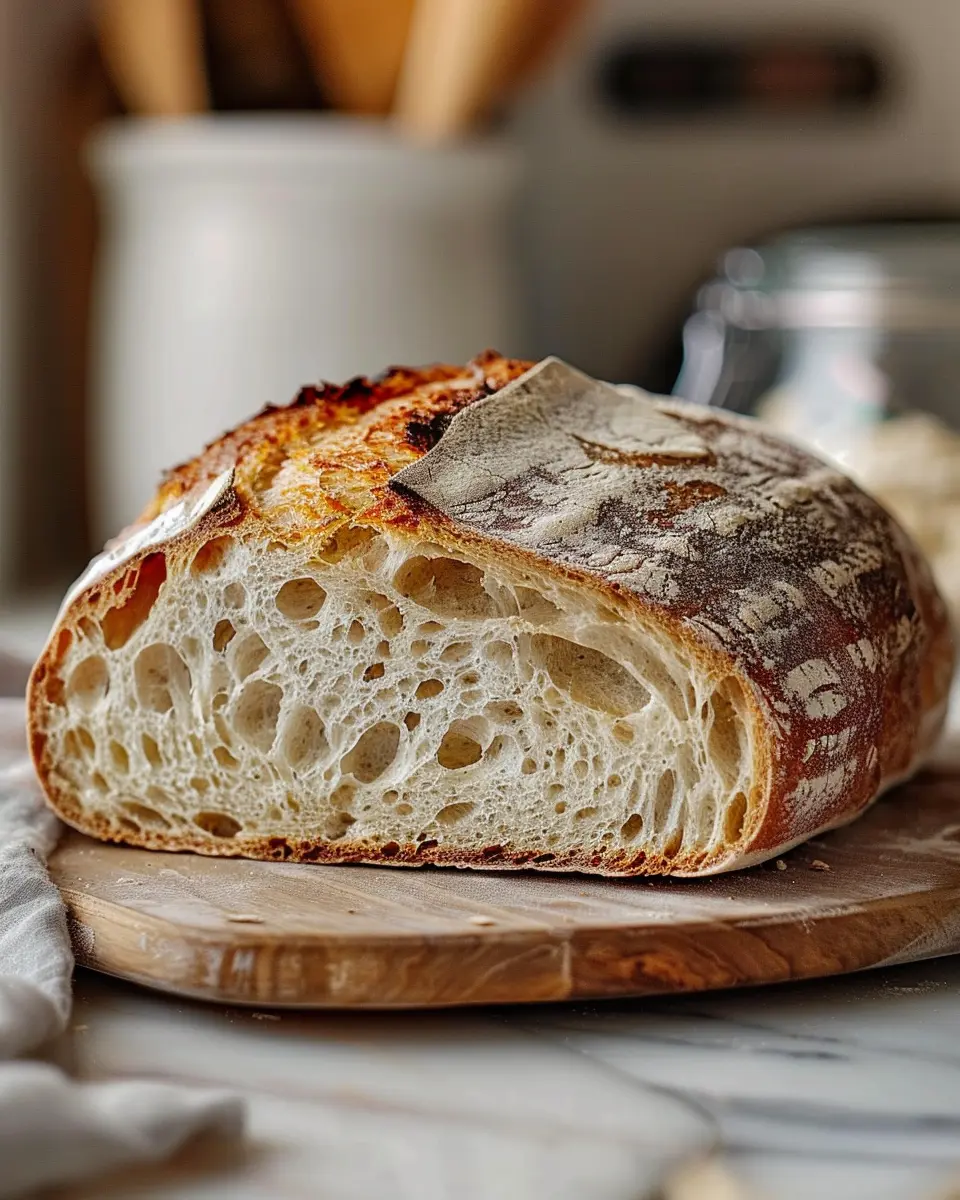
Variations on Sourdough Bread
Sourdough bread is truly a versatile favorite, and there are countless ways to personalize it. Let’s explore a few delicious variations that could up your sourdough game.
Whole Wheat Sourdough Bread
If you’re looking for a heartier option, consider making whole wheat sourdough bread. By substituting a portion of the all-purpose flour with whole wheat flour, you not only enhance the bread’s flavor but also increase its nutritional value. Whole wheat flour is rich in fiber and vitamins, making your loaf more satisfying. Aim for a 50/50 blend to start, adjusting based on your taste preferences.
Seeded Sourdough Bread
For those who love a bit of crunch and added nutrition, seeded sourdough bread is a fantastic choice. Seeds like sunflower, sesame, and flax not only add texture but also pack a punch in terms of healthy fats and protein. Consider mixing in about a quarter cup of seeds to your dough, and don’t be shy to experiment with your favorites. This nutty variant pairs perfectly with soups or as a base for delicious sandwiches.
Sourdough Bread with Herbs
Do you crave a flavorful twist? Sourdough bread with herbs is your answer. Incorporating fresh herbs like rosemary, thyme, or basil can transform your loaf into something special. Simply chop up the herbs finely and mix them into your dough during the kneading stage. The aroma while it bakes is absolutely irresistible!
These variations can bring your sourdough adventures to life and are perfect for impressing friends at a gathering or simply enjoying on a quiet evening at home. For more baking inspiration, check out this informative guide on sourdough fermentation and its health benefits.
Cooking Tips and Notes for Sourdough Bread
Understanding Fermentation and Sourdough Starter
Getting a grasp of fermentation is crucial when making sourdough bread. This process not only develops flavors but also creates the delightful texture we crave. Begin with a healthy sourdough starter, which is essentially a mix of flour and water, fermented with wild yeasts and bacteria. If you’re new to this, try nurturing your starter for at least a week to develop that tangy flavor.
Here are some handy tips to keep in mind:
- Temperature matters: Keep your starter in a warm spot (ideally around 75°F) to encourage fermentation.
- Feed it regularly: A well-fed starter is key for a fluffy loaf. Refresh it every 8 to 12 hours before use.
- Hydration levels: Experiment with different hydration percentages for varied crumb structure. Higher hydration leads to a more open crumb.
For a deeper dive into the science of fermentation, check out reputable sources like King Arthur Baking for expert insights. Remember, patience is key, so enjoy the process!
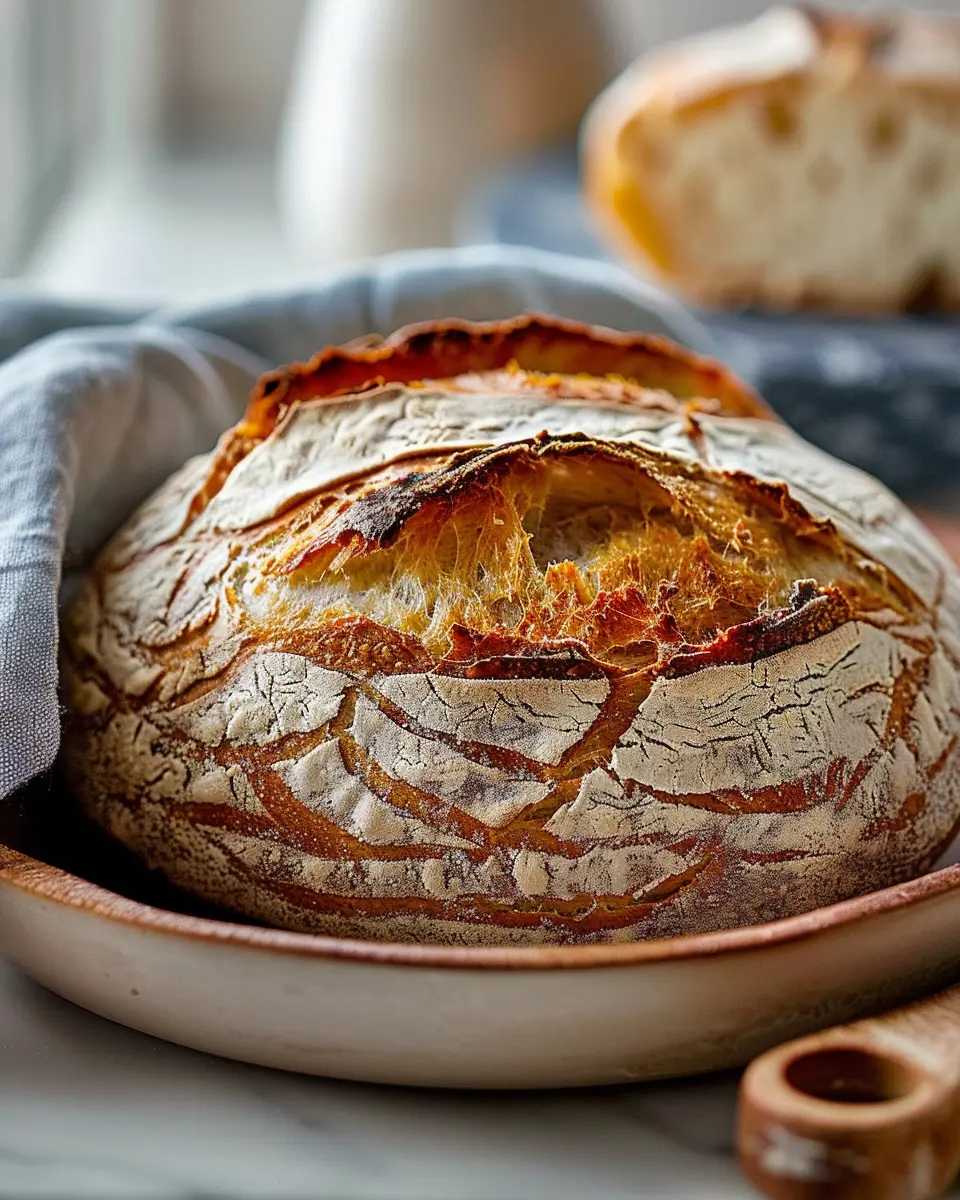
Serving Suggestions for Sourdough Bread
Best toppings for sourdough
When it comes to enhancing your sourdough bread, the possibilities are endless. Some of the best toppings that add a burst of flavor and texture include:
- Avocado: Spread ripe avocado on a slice and sprinkle with salt and pepper for a healthy snack.
- Turkey Bacon: Pair slices of crisp turkey bacon with poached eggs for a satisfying breakfast.
- Roasted Vegetables: Pile on roasted cherry tomatoes and zucchini for a colorful, nutrient-packed option.
- Hummus: A generous spread of hummus topped with fresh cucumbers or radishes makes for a delicious, refreshing treat.
Pairing sourdough with meals
Whole grain sourdough bread is a versatile companion at any meal. It complements dishes beautifully, especially with:
- Soup: Serve thick slices alongside your favorite soup, like tomato basil or butternut squash.
- Salad: Use sourdough for croutons or as a side to a leafy green salad drizzled with a tangy vinaigrette.
- Sandwiches: Create gourmet sandwiches with ingredients like chicken ham, cheese, and crisp lettuce.
Adding some creativity to your meal pairings can turn a simple dinner into a delightful experience. For more ways to enjoy sourdough, check out expert recommendations on BBC Good Food or Serious Eats. Explore and enjoy every bite!
Time Breakdown for Sourdough Bread
Preparation time
Making the perfect sourdough bread begins with about 30 minutes of preparation. This involves mixing your ingredients and shaping the dough, which can be a delightful process of experimenting with textures and flavors. If it’s your first time, don’t worry; take your time and enjoy the art of bread-making.
Rising time
The rising time, also known as the fermentation period, is where the magic happens. Allow your sourdough bread to rise for about 4-8 hours at room temperature. For deeper flavors, consider letting it rise overnight in the fridge. This lengthy process is essential for developing that unique sourdough taste.
Baking time
Once your dough has risen beautifully, baking takes about 30-40 minutes. Preheat your oven to 450°F (230°C) to achieve that perfect crust. Remember, the aroma of freshly baked bread is hard to beat!
Total time
In total, you’re looking at roughly 5-9 hours to create your sourdough bread, depending on your rising method. The time invested is well worth it for that homemade taste, don’t you think? For more tips on enhancing your sourdough experience, consider checking out resources like King Arthur Baking or The Fresh Loaf. Happy baking!
Nutritional Facts for Sourdough Bread
When you dive into the world of sourdough bread, it’s important to know what you’re putting into your body. Here are some nutritional insights that could spark your interest:
Calories
A typical slice of sourdough bread contains around 80 to 100 calories. This makes it a lighter option for those mindful of their caloric intake.
Carbohydrates
In each slice, you’ll find about 15 to 20 grams of carbohydrates. Sourdough bread is a great source of energy, especially if you’re gearing up for a busy day!
Fiber
One of the standout features of sourdough is its fiber content, boasting about 1.5 to 2 grams per slice. Including fiber in your diet is essential for good digestive health and can help you feel fuller for longer.
Protein
Each slice of sourdough delivers approximately 3 to 4 grams of protein. While it may not be a protein powerhouse, it certainly contributes to your daily intake when paired with other protein-rich foods.
If you’re curious about even more detailed nutritional data, check out the USDA’s food composition database for in-depth insights. Enjoy your baking adventure!
FAQs about Sourdough Bread
What’s the secret to a good sourdough crust?
The flavorful crust of sourdough bread is often the first thing that wows newcomers. The secret? Steam! When baking, use a Dutch oven or an oven-safe pot, and add water to create steam. This keeps the surface moist, allowing the bread to rise before the crust sets. A nice, golden-brown finish comes from the Maillard reaction, which only happens if you provide a steamy environment – so don’t skip this critical step!
How do I know when my sourdough is ready to bake?
You’ll want to look for a few key signs. The dough should have doubled in size and passed the “poke test” — when you poke the dough, it should spring back slowly, indicating it’s ready to put in the oven. Many bakers recommend checking for bubbles on the surface, as these indicate a well-fermented dough.
Can I use all-purpose flour instead of bread flour?
Absolutely! While bread flour is higher in protein, which contributes to a chewier texture, all-purpose flour can still yield excellent results. Keep in mind that the hydration level may need slight adjustments, so if your dough seems too sticky, simply add a bit more flour as you knead.
How do I store leftover sourdough bread?
To keep your sourdough bread fresh, store it at room temperature in a paper bag, which allows it to breathe. If you won’t finish it within a few days, consider slicing it and freezing the pieces. You can easily toast them directly from the freezer, making for quick and delightful snacks!
For additional tips on bread storage, check out King Arthur Baking’s guide for expert insights.
Conclusion on Sourdough Bread
Why Homemade Sourdough is Worth the Effort
Making sourdough bread at home is more than just a cooking project; it’s an experience that engages all your senses. The aroma of freshly baked bread wafting through your home is unbeatable. This delicious bread not only boasts a unique tangy flavor but also offers health benefits, thanks to its natural fermentation process.
The joy of nurturing your starter and watching it come to life is rewarding. Plus, homemade sourdough can be significantly more affordable than store-bought artisan versions. Embracing this craft fosters creativity and connection in your kitchen—after all, who wouldn’t love sharing a slice of warm bread with friends over a cup of coffee?
Consider checking resources like the Modern Baker or King Arthur Baking for additional tips and inspiration. So roll up your sleeves, and let’s get baking!
PrintSourdough Bread: The Easy Guide to Baking Perfect Loaves at Home

Learn how to bake delicious, crusty sourdough bread at home with this easy guide.
- Prep Time: 30 minutes
- Cook Time: 35 minutes
- Total Time: 5 hours
- Yield: 2 loaves
- Category: Bread
- Method: Baking
- Cuisine: American
- Diet: Vegetarian
Ingredients
- 500 grams bread flour
- 350 grams water
- 100 grams sourdough starter
- 10 grams salt
Instructions
- Mix the flour, water, and starter in a bowl.
- Let the dough rest for 30 minutes.
- Add the salt and mix well.
- Knead the dough for about 10 minutes.
- Let it rise for 4-6 hours, folding every 30 minutes.
- Shape the dough and let it proof for another 2 hours.
- Preheat the oven to 450°F (232°C).
- Bake the bread for 30-35 minutes until golden brown.
Notes
- Use a kitchen scale for accurate measurements.
- Adjust the hydration based on your flour type.
Nutrition
- Serving Size: 1 slice
- Calories: 200
- Sugar: 0.5 grams
- Sodium: 350 milligrams
- Fat: 1 gram
- Saturated Fat: 0 grams
- Unsaturated Fat: 0.5 grams
- Trans Fat: 0 grams
- Carbohydrates: 40 grams
- Fiber: 2 grams
- Protein: 6 grams
- Cholesterol: 0 milligrams